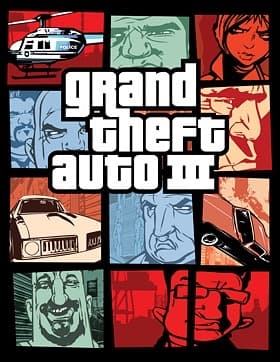
Grand Theft Auto III
| Year | 2001 |
|---|---|
| Release platform | PlayStation 2 |
| Genres | adventure |
| Developer | Rockstar North |
| Country | United Kingdom |
| Era | The 2000s, 2000 to 2009 |
| Importance |
Why it matters
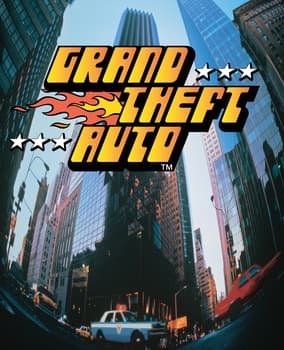
The third installment moved the series from a top-down view into a 3D city filmed by a camera behind the character's back. The key thing turned out to be that Liberty City exists as a continuous space: districts stream in as you move, there are no loading screens between them, and any point on the map can be reached under your own power.
The structure of the campaign rests on alternation. Between story missions the player is left to themselves: stealing cars, listening to the radio, where every station has its own music and its own programming, looking for hidden objects. Meanwhile the city lives by its own rules: pedestrians walk their own routes, the police react to offenses, the wanted level rises and falls. The main character doesn't say a word in the whole campaign and remains an executor of other people's errands. Dozens of studios picked up the scheme, and for several years the open criminal city was a genre description in its own right, one people turned to when explaining how a new game worked.
Watch it played
Facts
- The series moved from a top-down view to a 3D city with a third-person camera.
- The city streams in piece by piece as you move; there are no loading screens between districts.
- The radio stations in cars work as separate channels with their own music and programming.
- The main character of the third installment stays silent through the whole campaign.
- Between story missions the player moves freely around the city.