1940s to 1960s
Pioneers
The idea of video and computer games came independently to television engineers and to the pioneers of computing.
About the era
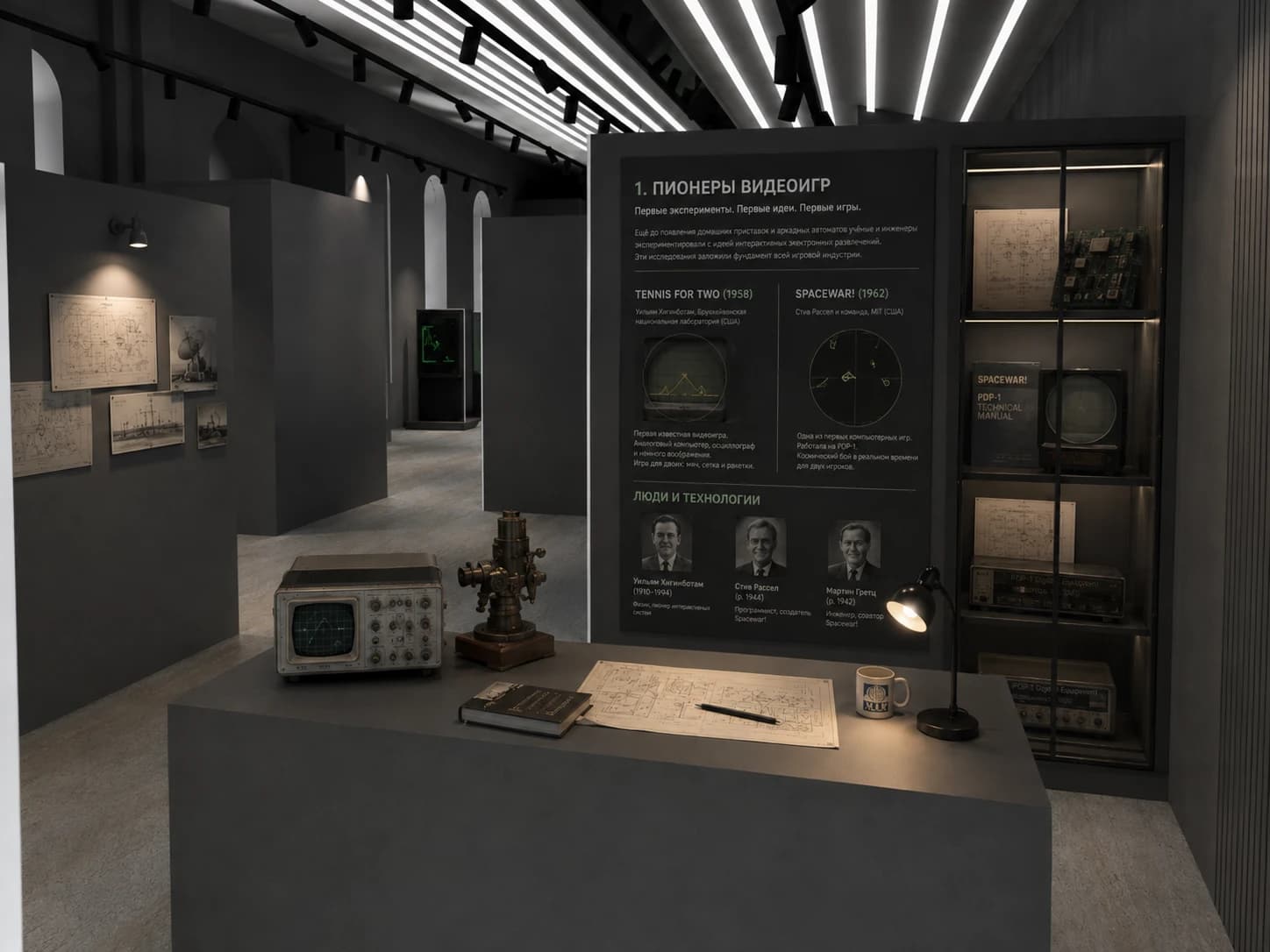
The 1950s: scientists and defense industry engineers began building the first interactive projects. The most important of them was Tennis for Two, the first video game made available to the public.
The 1960s: technical progress led to two milestones: Spacewar!, a student game that influenced the whole commercial video game industry, and the Brown Box, the prototype of the first home game console.
Television and computer technology gave rise to two very different schools of game design. The television school started from the display, and its core is fast real-time play. The computer school started from the power of complex calculation and produced turn-based play with indirect control.
Pioneers
1940s to 1960s

1940s
Two ideas
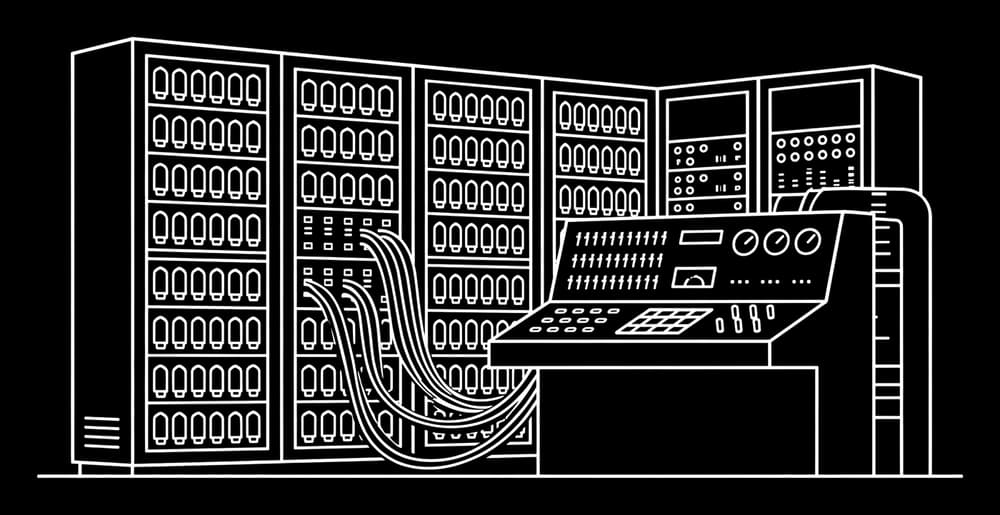
The idea of making video and computer games came independently to television engineers and to pioneers of computing.
1958
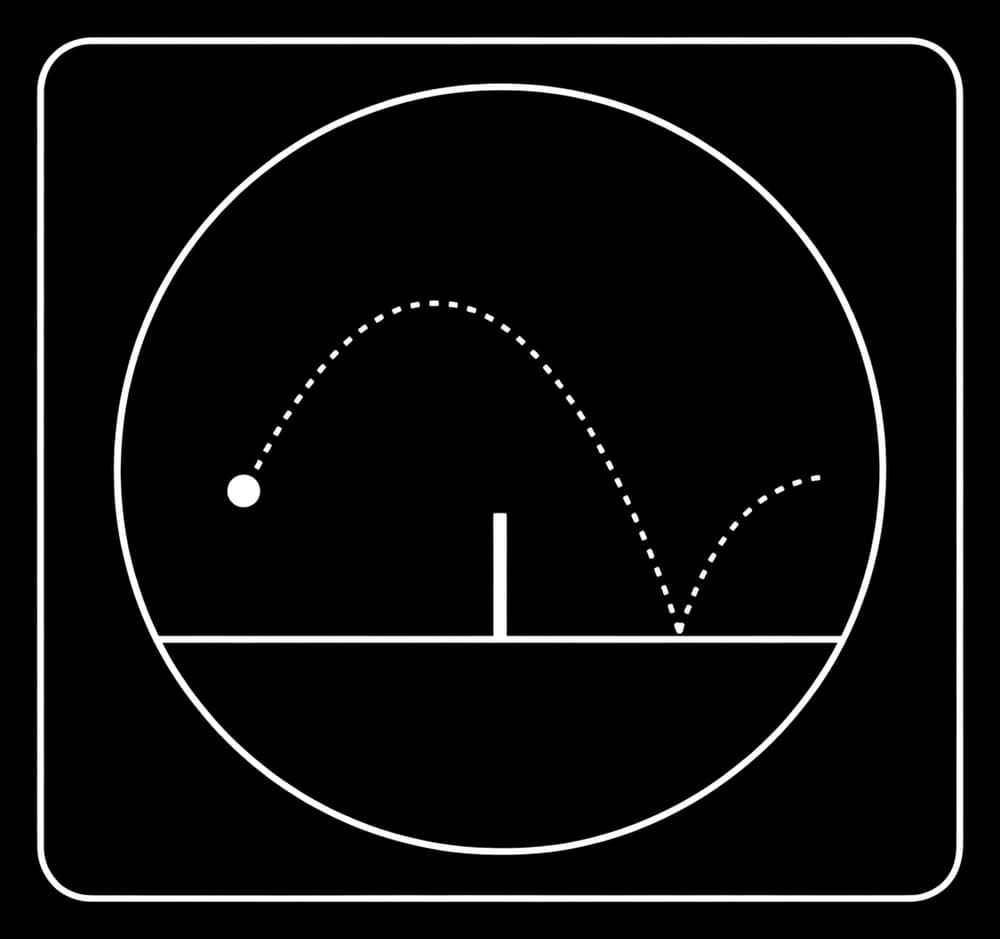
Tennis for Two
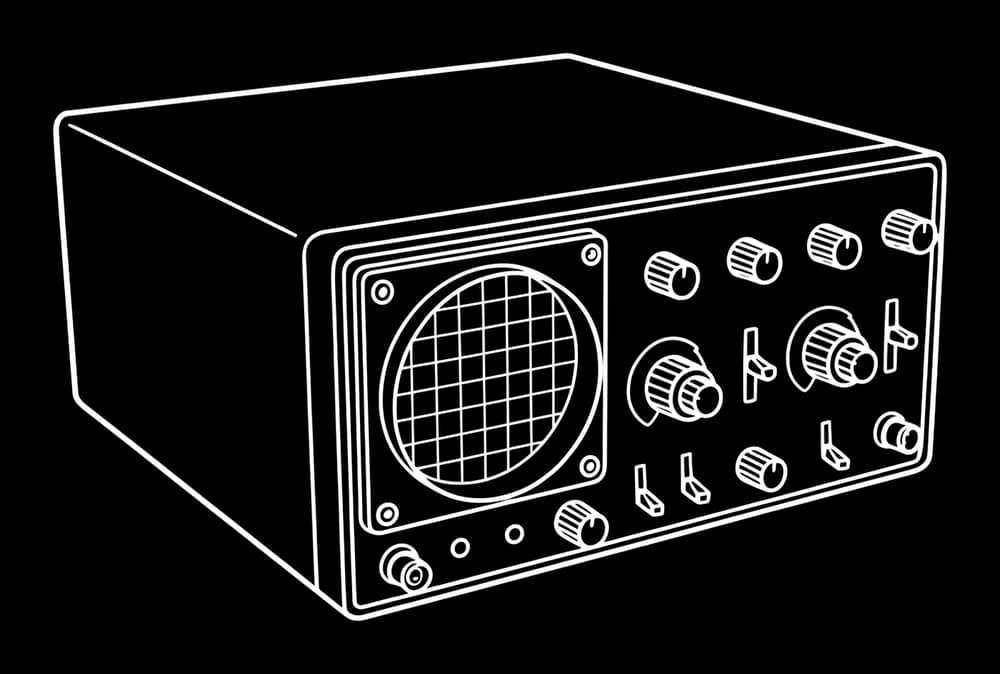
Scientists and people working in the defense industry began building the first interactive projects. The most important of them was Tennis for Two, the first video game made available to the public.

1960s
Spacewar! and the Brown Box
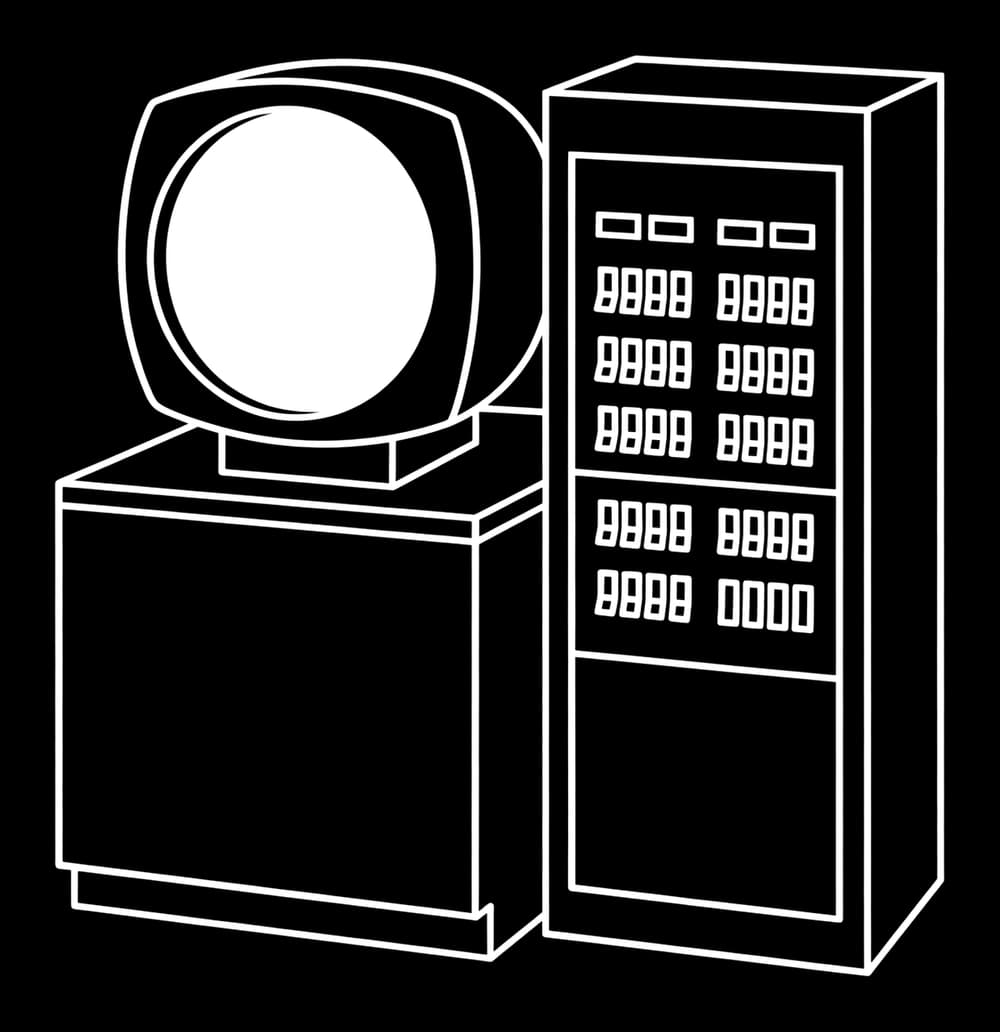
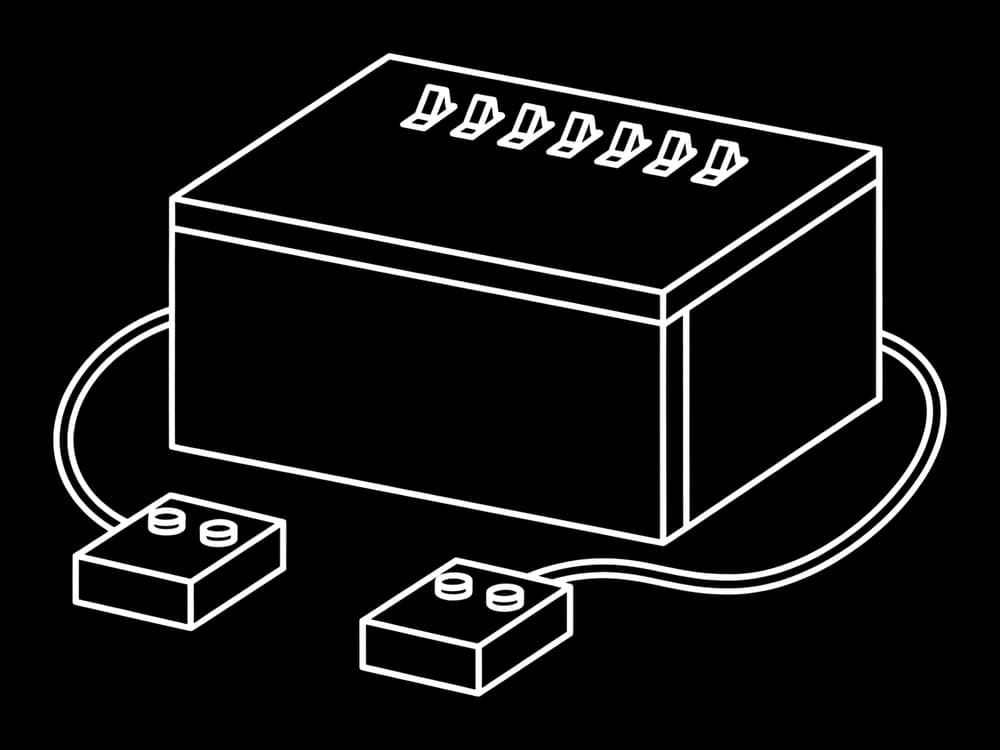
Technological progress led to two important milestones: the appearance of the student game Spacewar!, which influenced the entire commercial video game industry, and the creation of the Brown Box, the prototype of the first home game console.
Games of the era
The whole encyclopedia
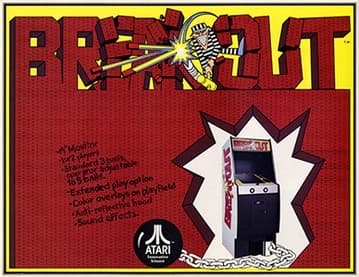
Game design: the beginning
Television and computer technology gave rise to two fundamentally different schools of game design.
Television school
- Television
 Real time
 Reaction
 Arcades
 Movement + action
 Action genres
The television school took the display as its starting point. Its main feature is fast-paced real-time gameplay. These are games of reaction speed: players have to reach the right spot in time.
Computer school
- Computer
 Calculation
 Turn-based play
 Analysis
The computer school took the potential of complex calculation as its starting point. It produced turn-based play with indirect control. These are thinking games, where an action requires analysis beforehand, not a mechanical reflex.