1970s to early 1980s
Arcades
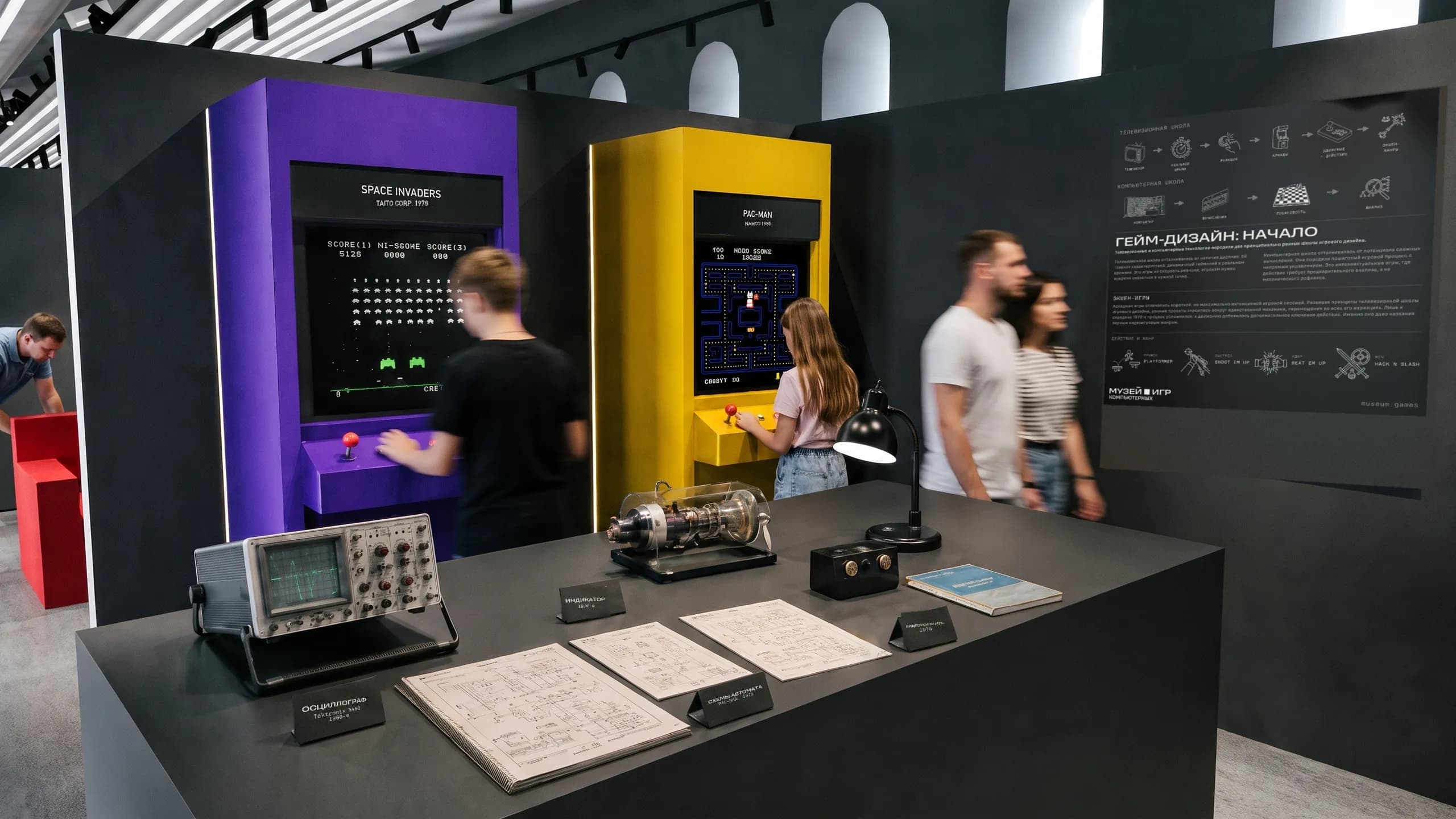
Lights, sound and a queue for the high score. The machines are on, play is free, no tokens needed.
About the era
Arcade machines brought the video game to the public. In 1972 Pong stood in bars next to the jukeboxes. By the end of the 1970s Space Invaders and its neighbors had halls of their own.
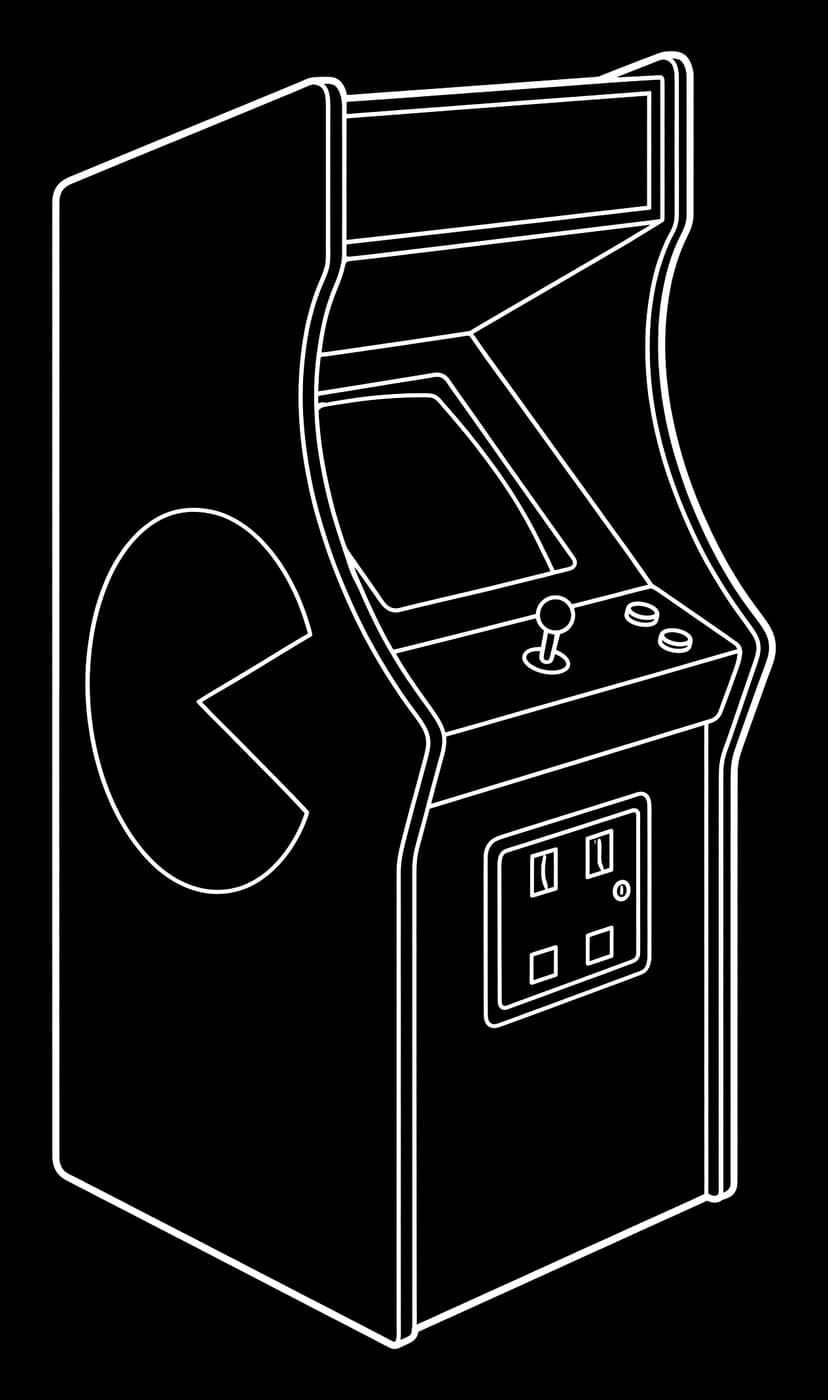
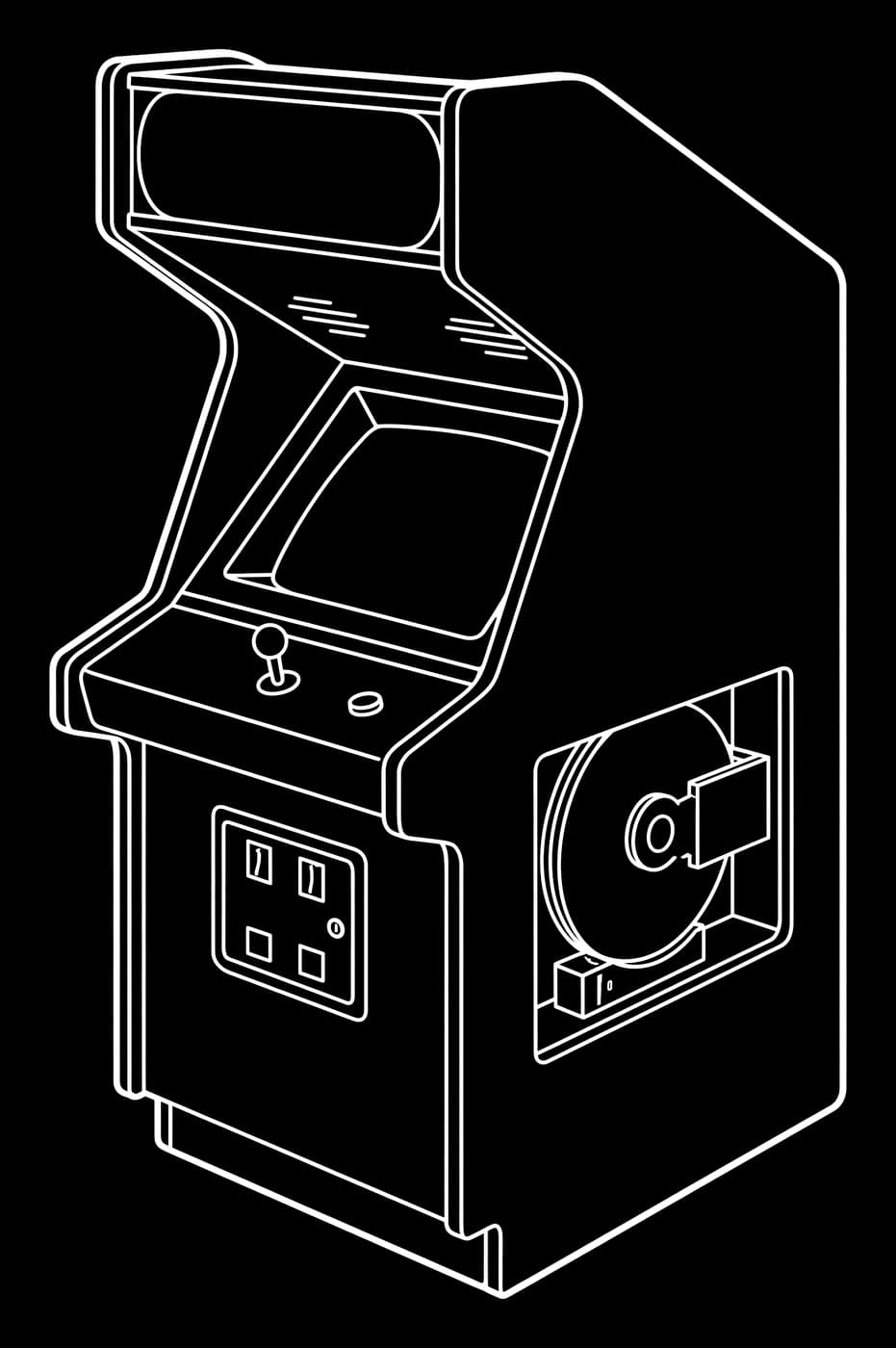
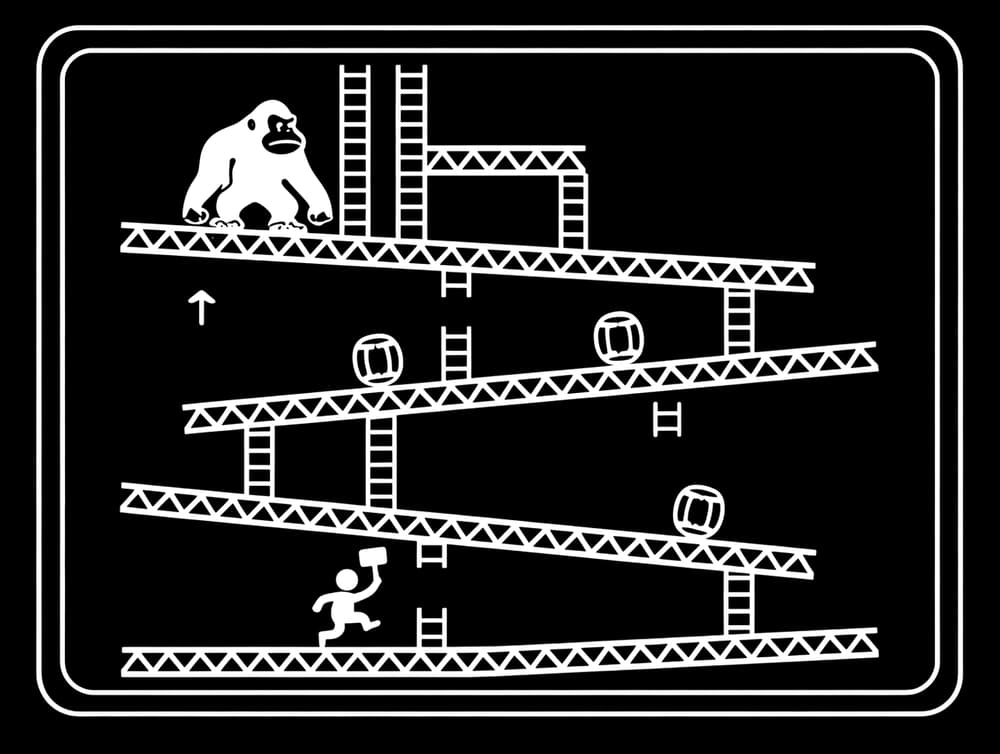
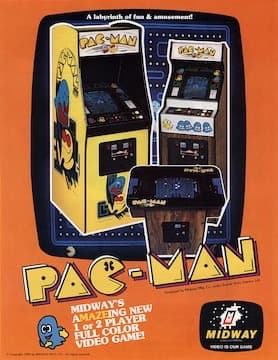
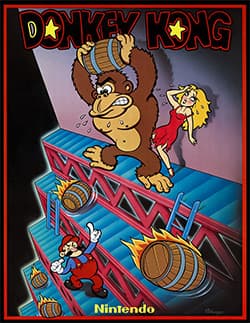
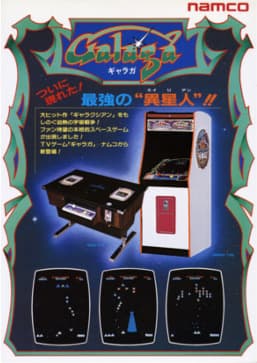
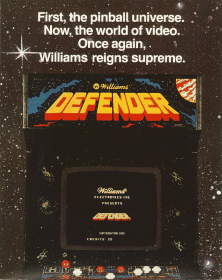
The early 1980s are called the golden age of arcades. Pac-Man, Donkey Kong and dozens of other machines packed halls all over the world. The cabinet became a design genre of its own: painted side art, a lit marquee, a control panel made for one particular game.
Consoles emptied the halls, but arcade machines survived wherever the cabinet matters: racing games with a wheel and pedals, rhythm games, shooting galleries. In Japan, arcades have run nonstop since the 1970s.
The zone has machines from different years, from golden age classics to late cabinets. Play is free. The hall's high score tables are rewritten every day.
The history of arcades
1972 to the 1990s
1972
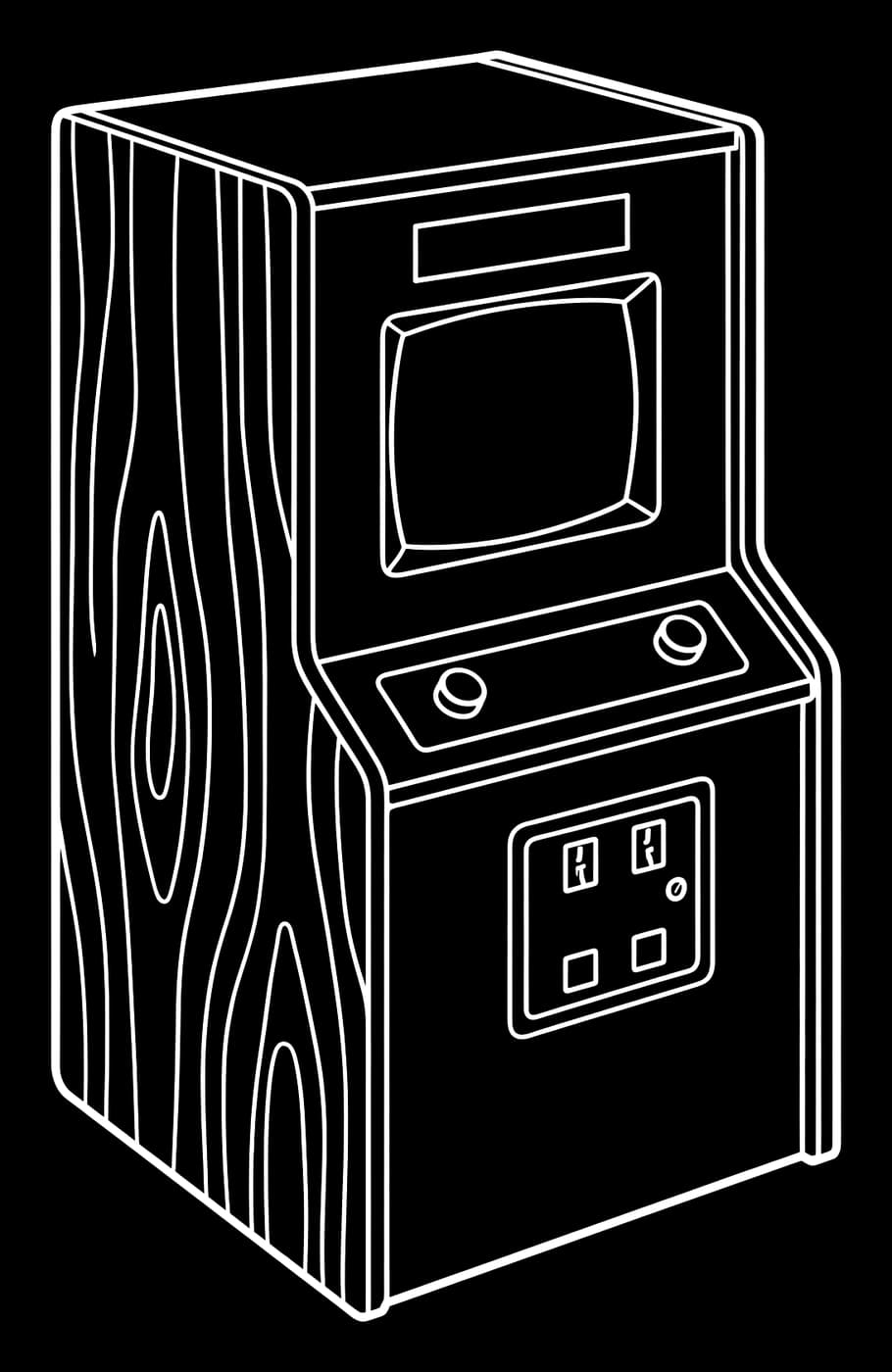
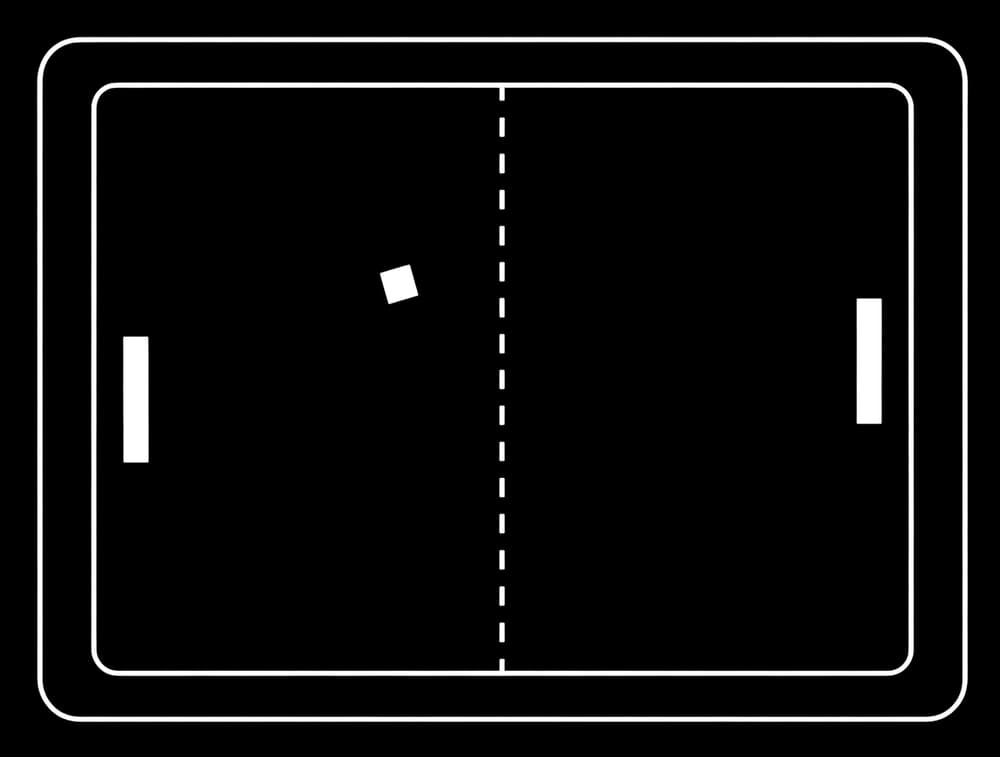
Pong, Atari
The video game industry was born in public spaces as a culture of arcade machines. Its commercial history began in 1972 with the release of Pong by Atari, the first company in history set up solely to make video games.
1978
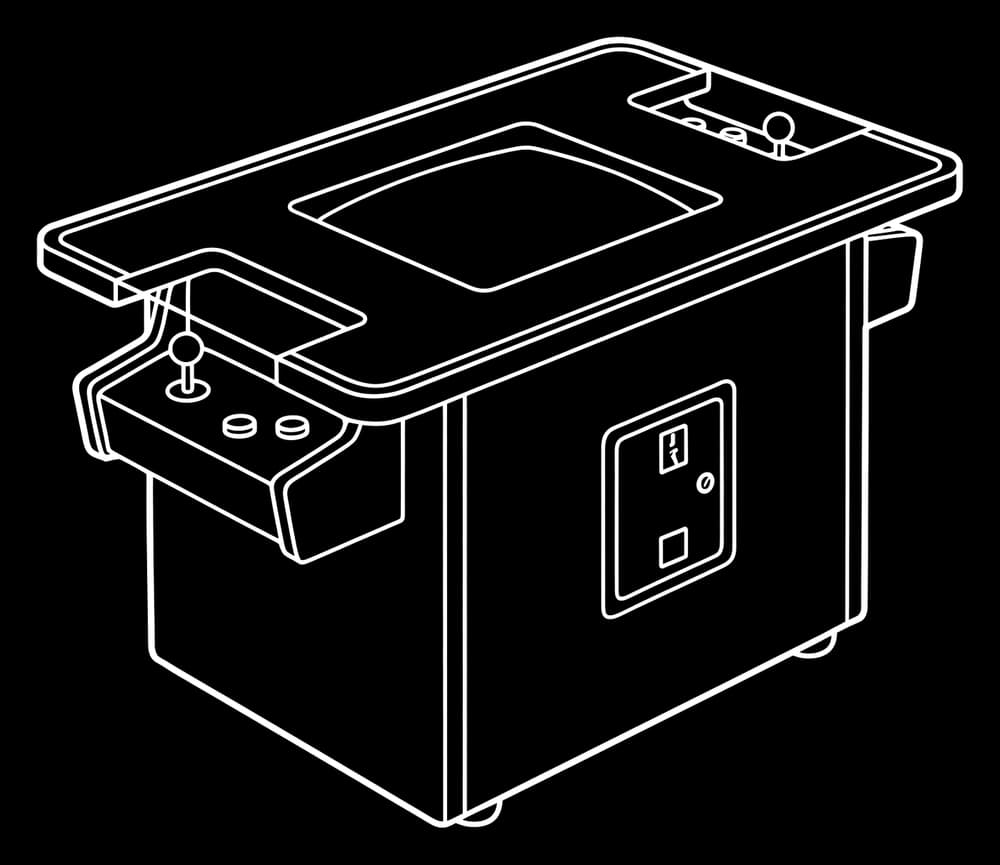
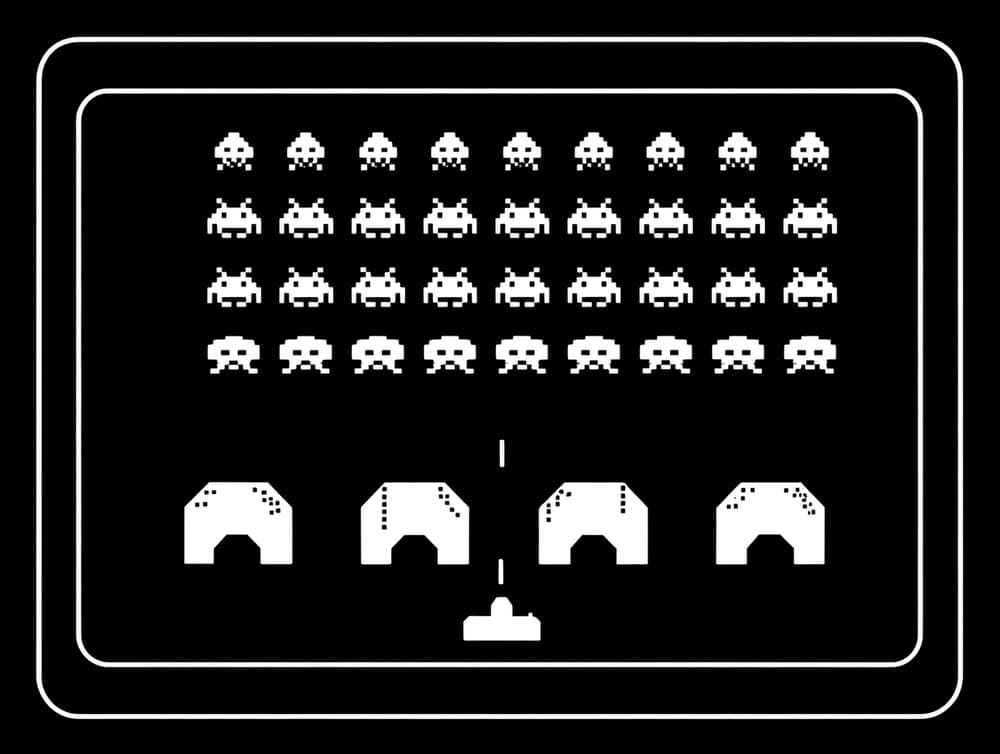
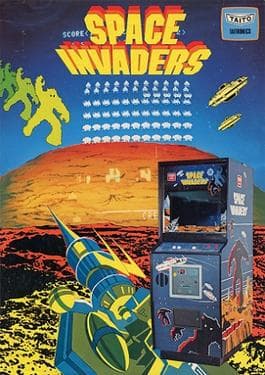
Space Invaders
The next major milestone was the release of Space Invaders in 1978, one of the first genre games, which launched the golden age of arcades.
1980 to 1983
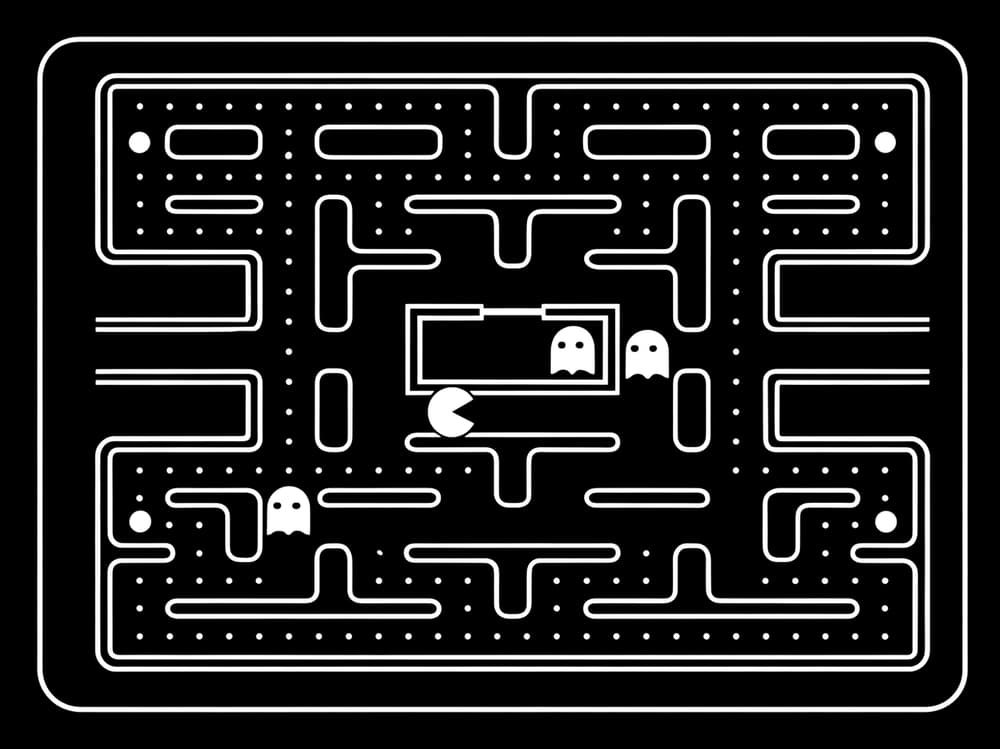
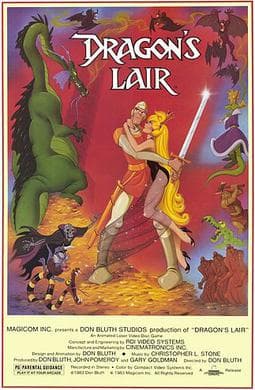
Pac-Man, Donkey Kong, Dragons Lair
The golden age is known for games such as Pac-Man, Donkey Kong and Dragons Lair. And although from the mid-1980s arcades ceded the mass market to home consoles, until the end of the 1990s they remained the main technological testing ground for the boldest game design innovations.
Games of the era
The whole encyclopedia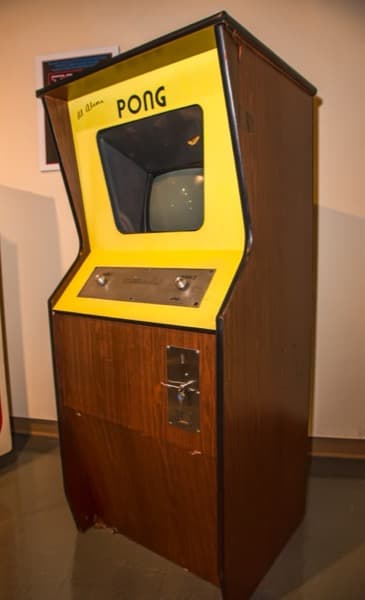
Action games
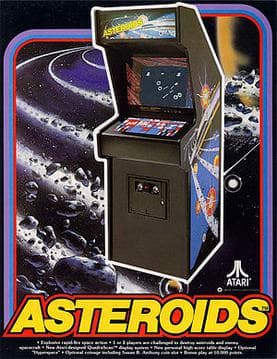
Arcade games were distinguished by short but extremely intense play sessions. Developing the principles of the television school of game design, early games were built around a single mechanic: movement in all its variations. Only by the mid-1970s did gameplay become more complex: an additional key action was added to movement. It was this action that gave the first video game genres their names.
Action and genre
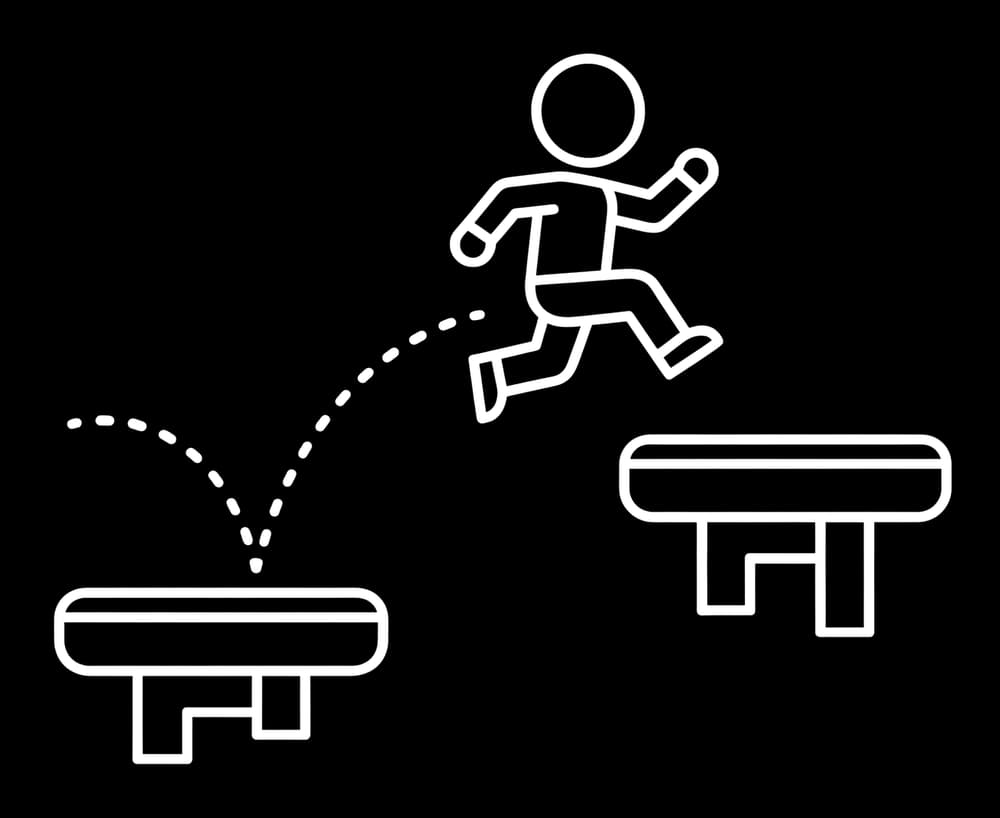 JumpPlatformer
 ShotShoot em up
 StrikeBeat em up
 SwordHack n slash