late 1980s to 1990s
Consoles
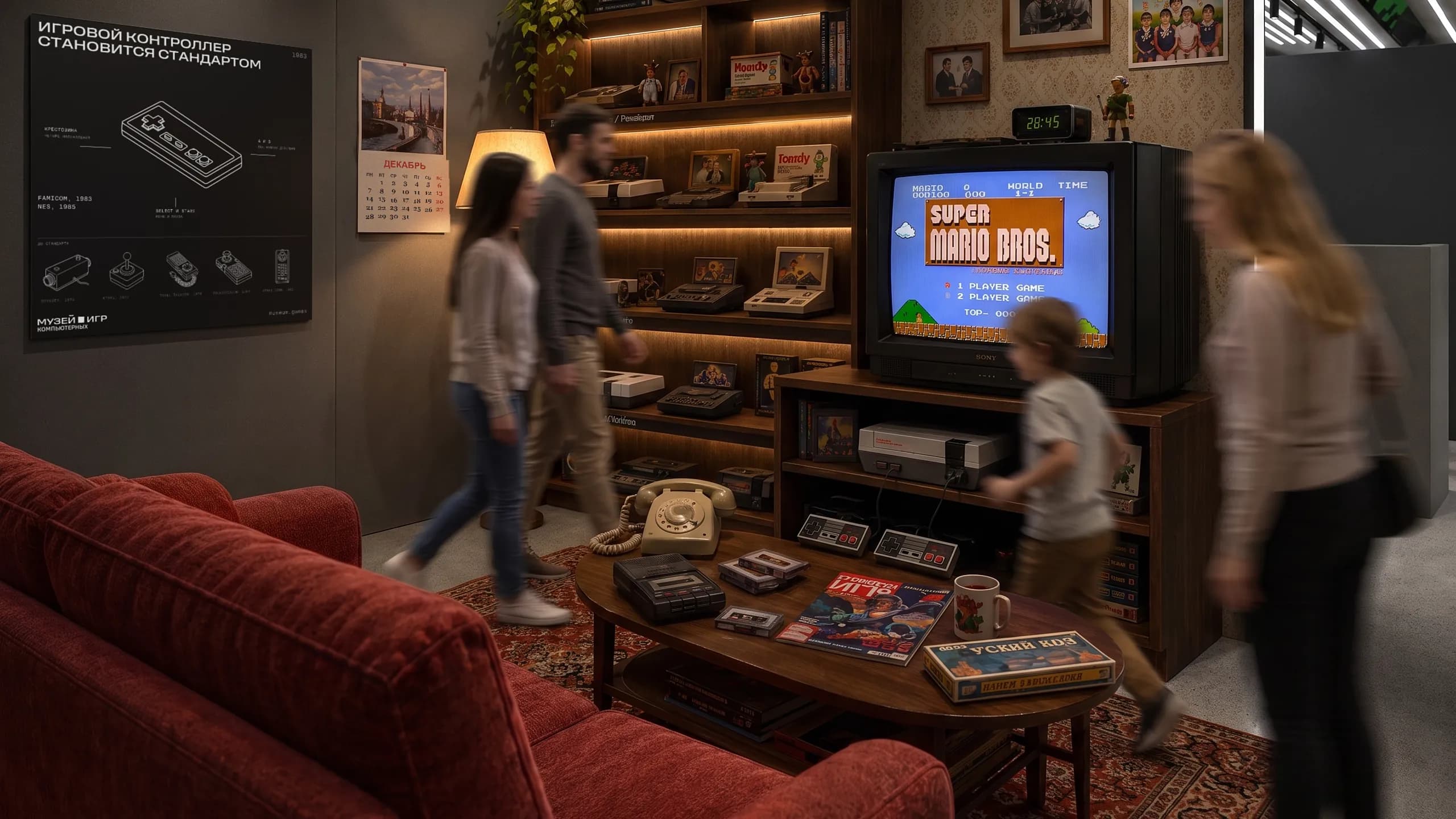
Consoles from different generations are hooked up to screens of their own time. Grab a controller.
About the era
Consoles taught the television to play games. The Magnavox Odyssey and the Atari 2600 made the game a family evening. The swappable cartridge turned the console into a library: one box under the screen, a shelf of games next to it.
In the 1980s and 1990s Nintendo and Sega split the market: eight and sixteen bit, platform wars, exclusives, mascots. All of it reached us through Famicom clones under the name Dendy.
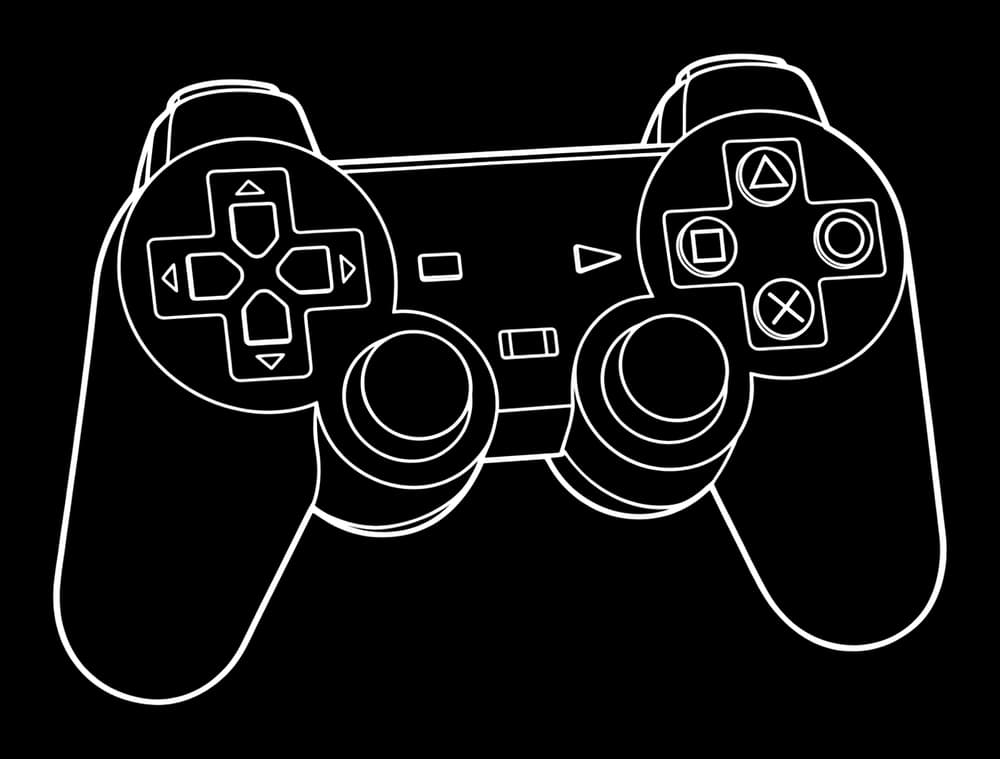
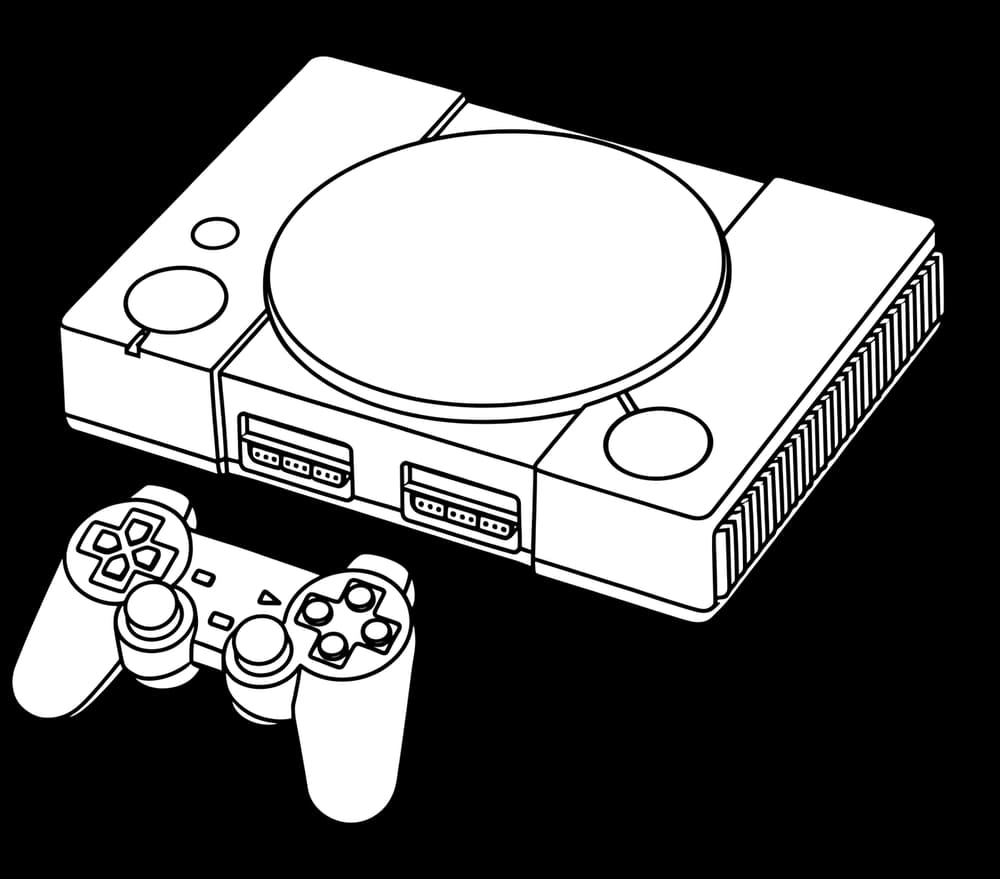
The disc era began with the PlayStation: 3D graphics, video cutscenes, memory cards. From then on, generations changed every few years. You can tell each one's time by its cases, controllers and games.
The old consoles have CRT televisions, the new ones have modern flat panels. You can play on all of them.
The first consoles
1972 to 1988
The success of arcades showed that people want to play. The logical step was to move this new experience into people's homes.
Although the first home console, the Magnavox Odyssey, came out in 1972, and 1974 saw a boom in Pong consoles, the real revolution came from systems with swappable cartridges, led by the iconic Atari VCS. And even if the console market lagged behind the arcades at first, the release of the Nintendo Entertainment System, the NES, in 1985 changed the balance of power for good, securing the dominance of consoles over arcade halls.
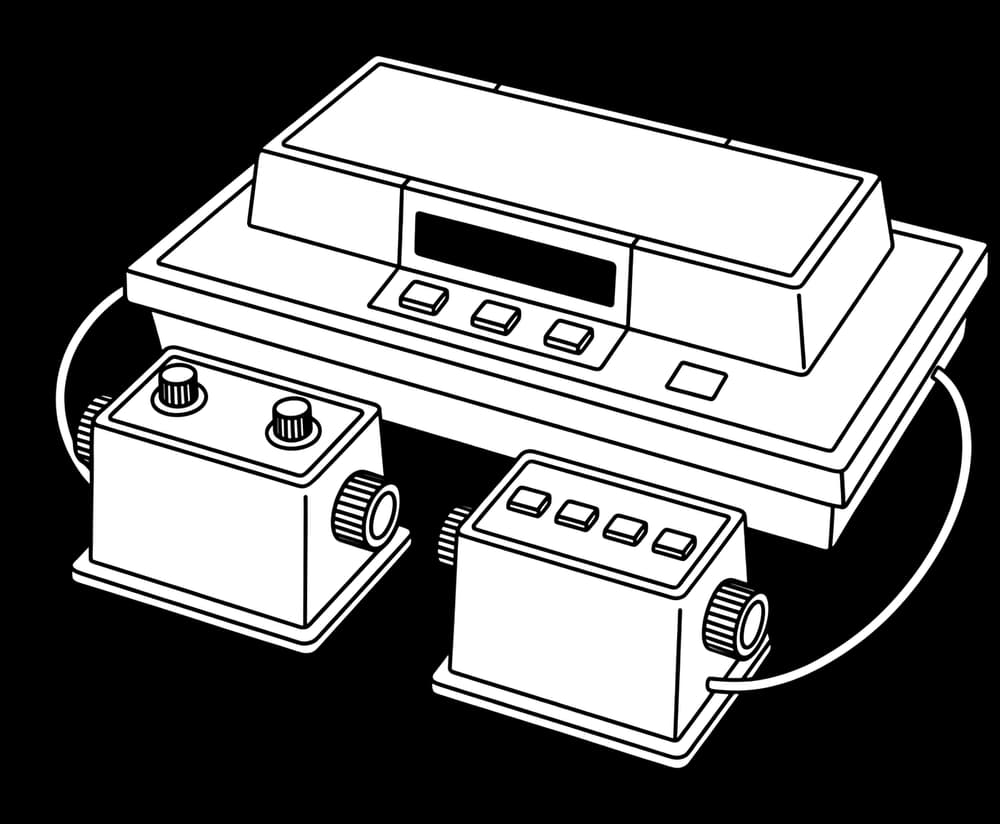
1972
Magnavox Odyssey
The first home console
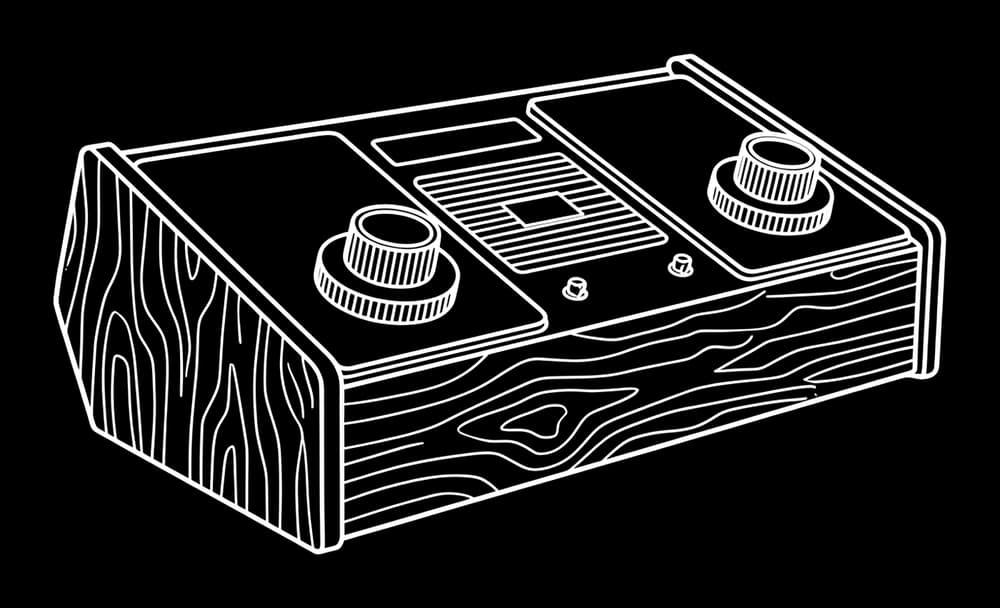
1974
Pong consoles
A boom in single-game consoles
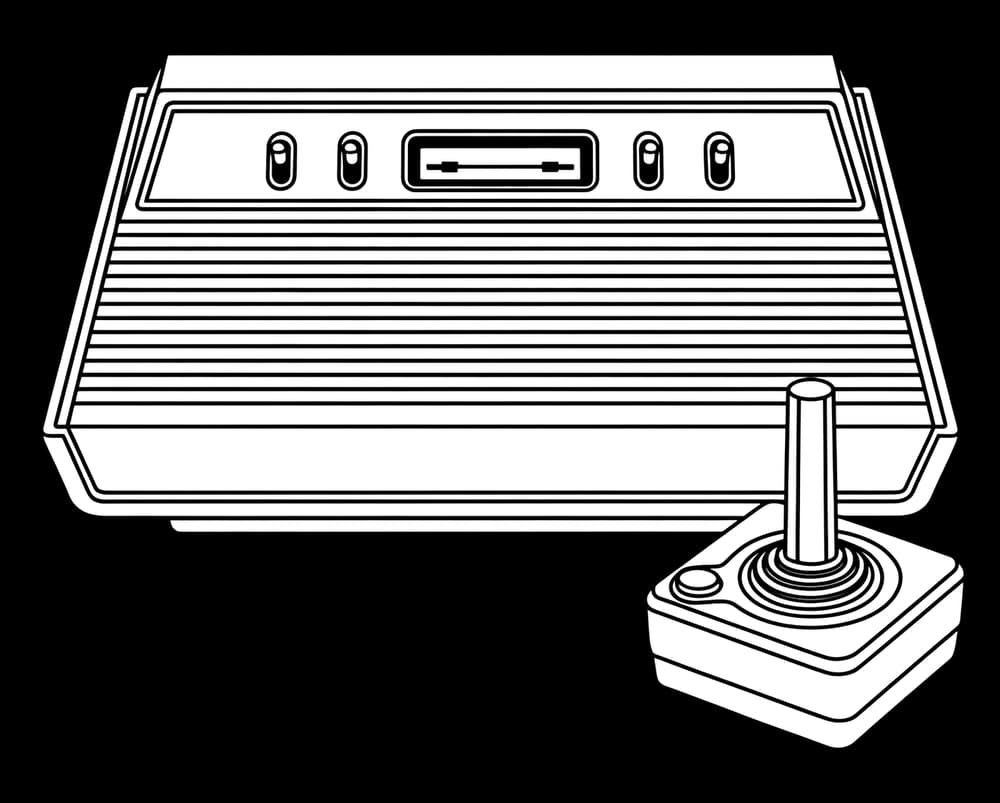
1977
Atari VCS
Swappable cartridges
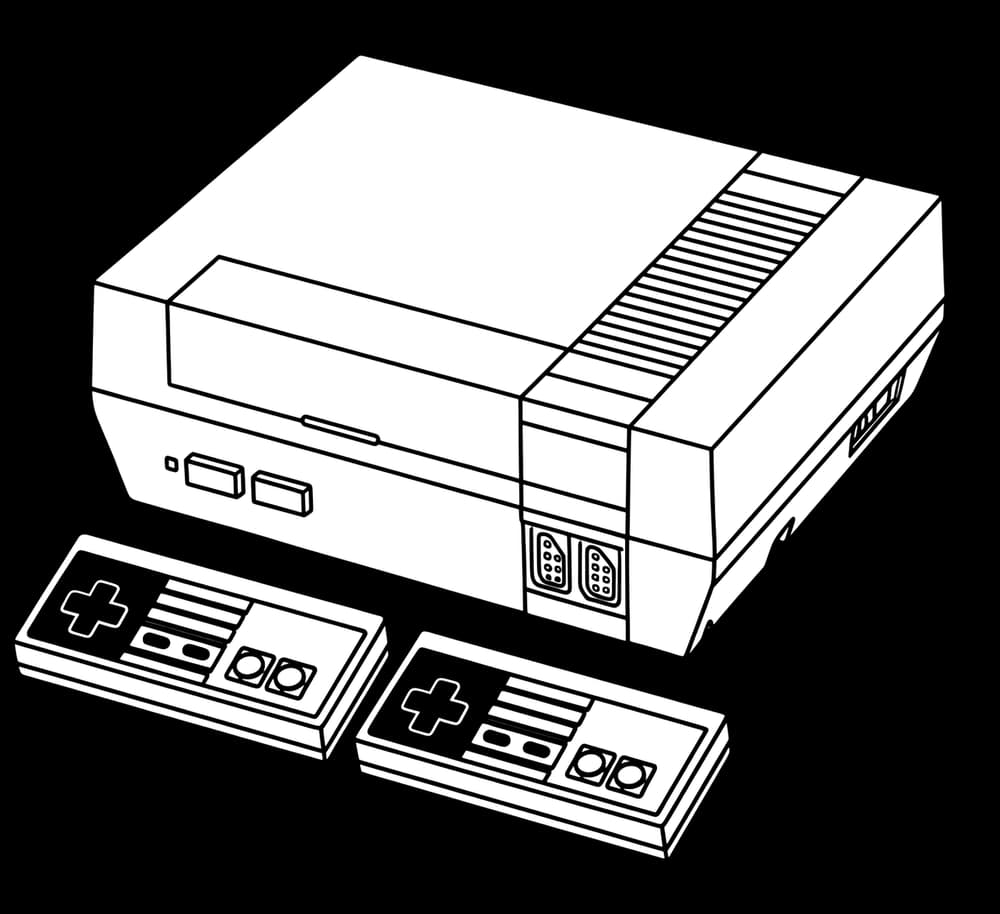
1985
NES
Consoles beat arcades
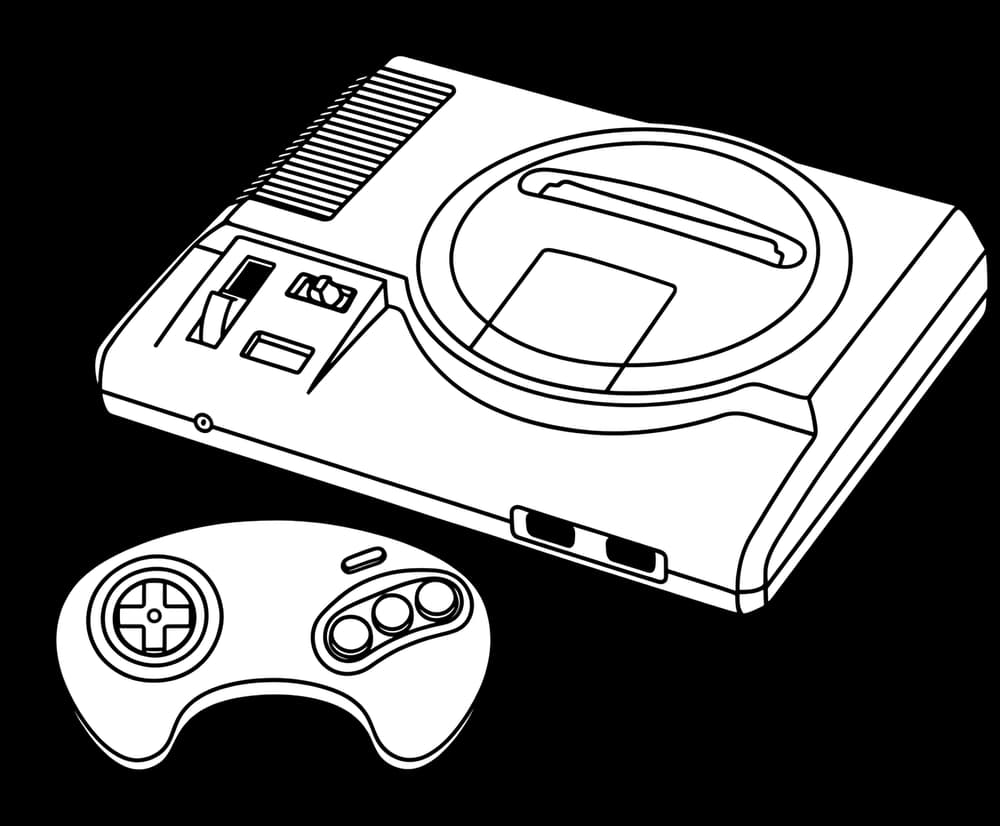
1988
Sega Mega Drive
16-bit, a new generation
Games of the era
The whole encyclopedia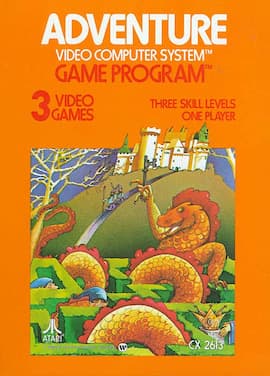
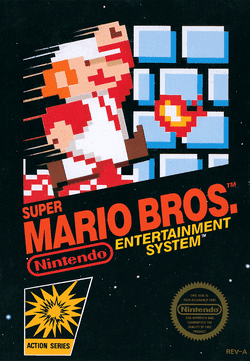


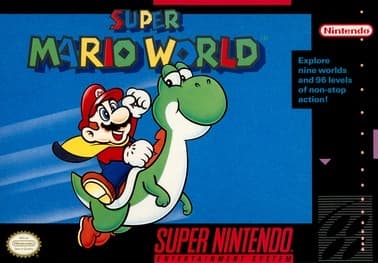
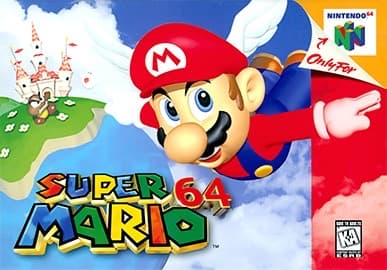


Arcade
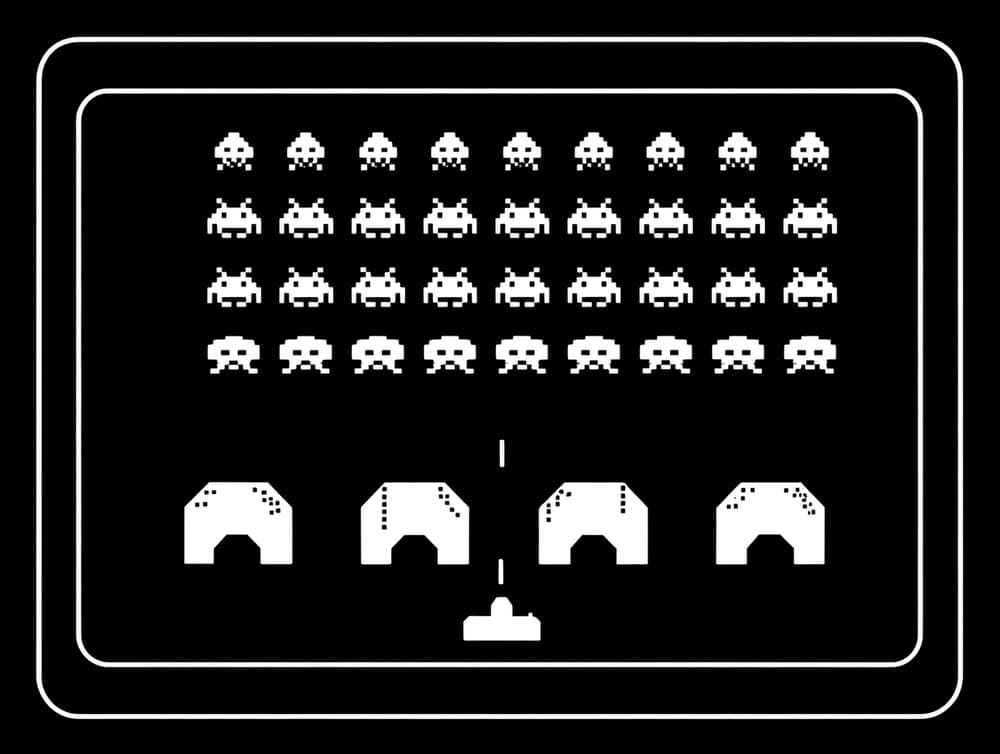
- Short, intense session
- One screen
- Playing for a score
Home
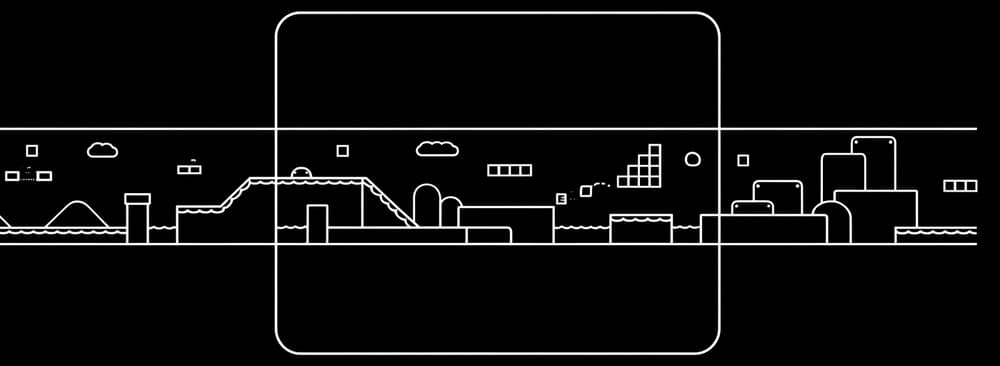
- Long session
- A game with an ending
- A world bigger than one screen
Home games
Until the end of the 1970s, home video games were just adaptations of arcade games. A new era began with games adapted to the new conditions: play became more measured, sessions longer, and games finally got endings.
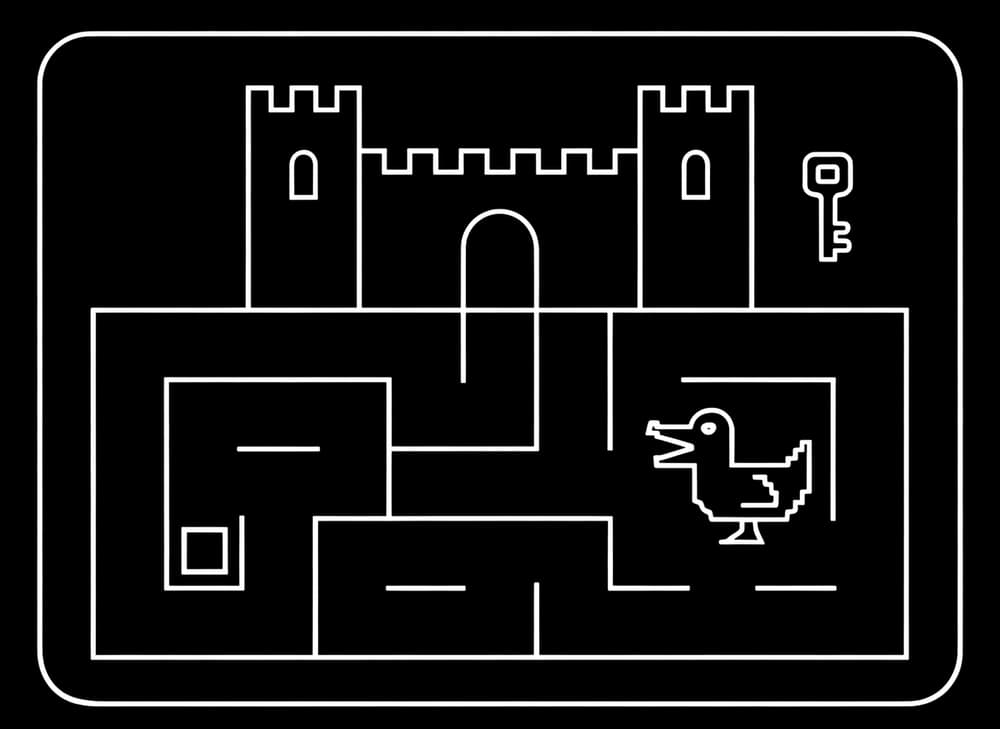
One of the first games of this kind: Adventure for the Atari VCS. Its main innovation: extending the game world beyond a single TV screen with a mechanic of switching locations.
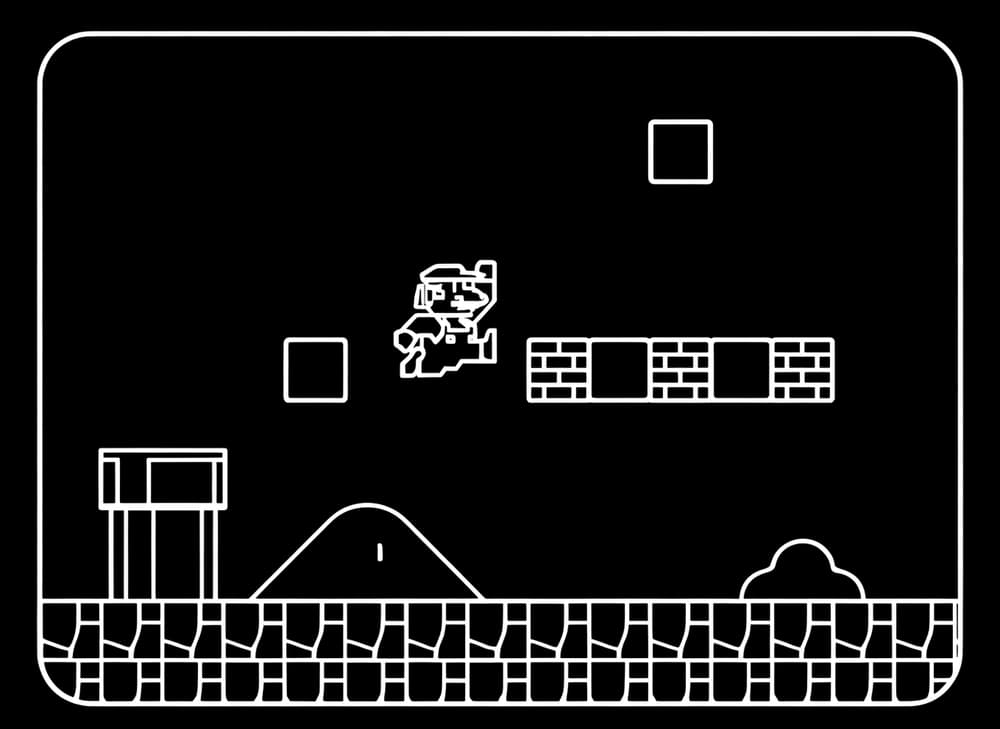
The peak of console game design in the classic era: the iconic Super Mario Bros. for the NES.
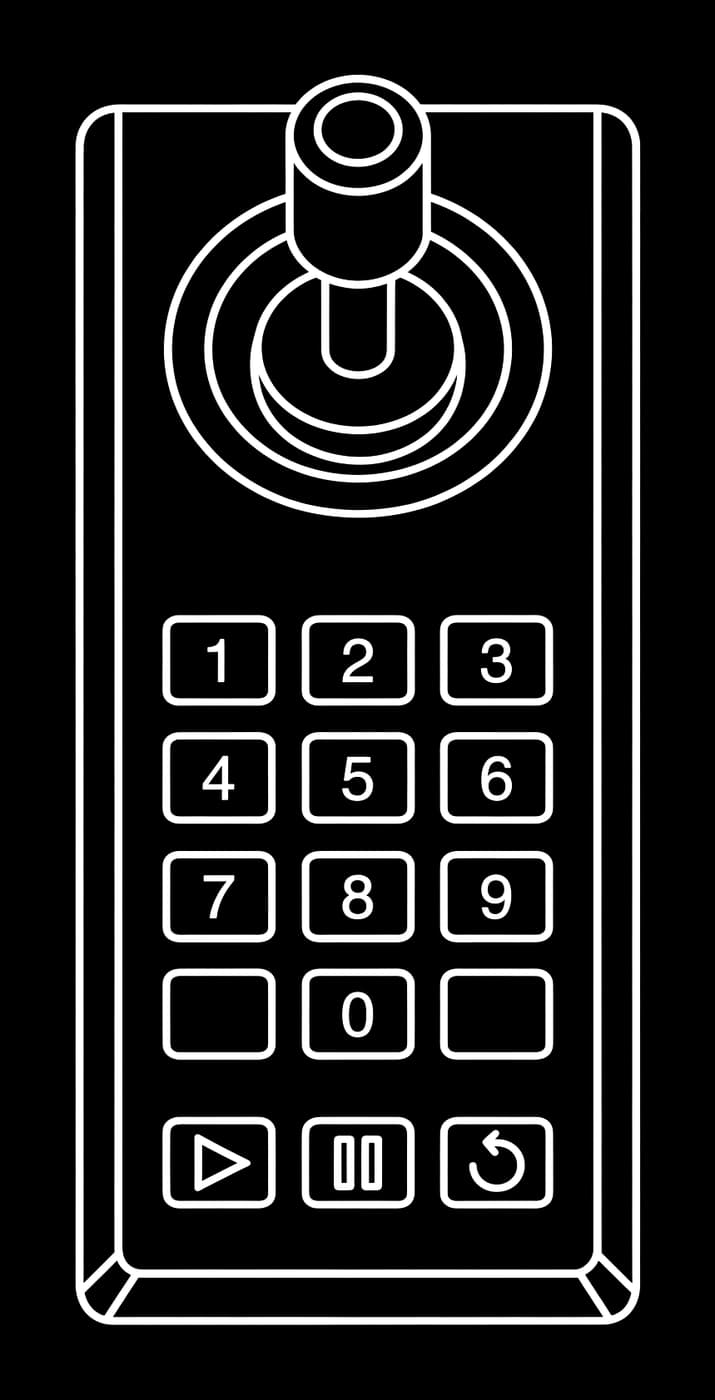
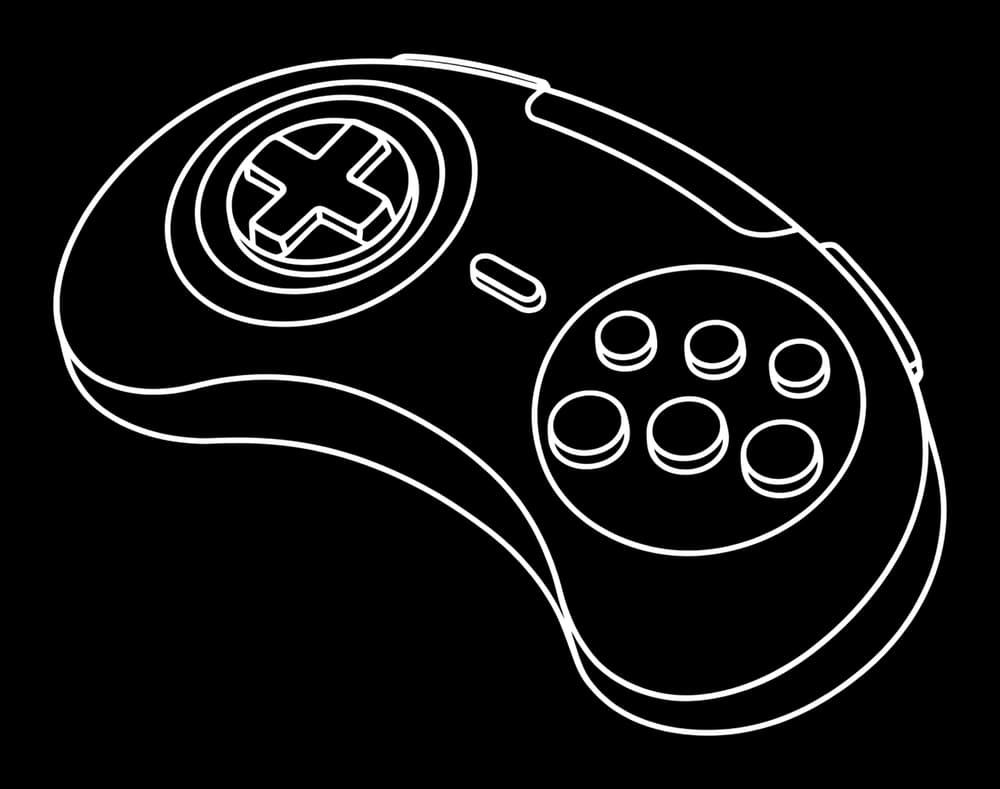
The game controller becomes a standard
1983
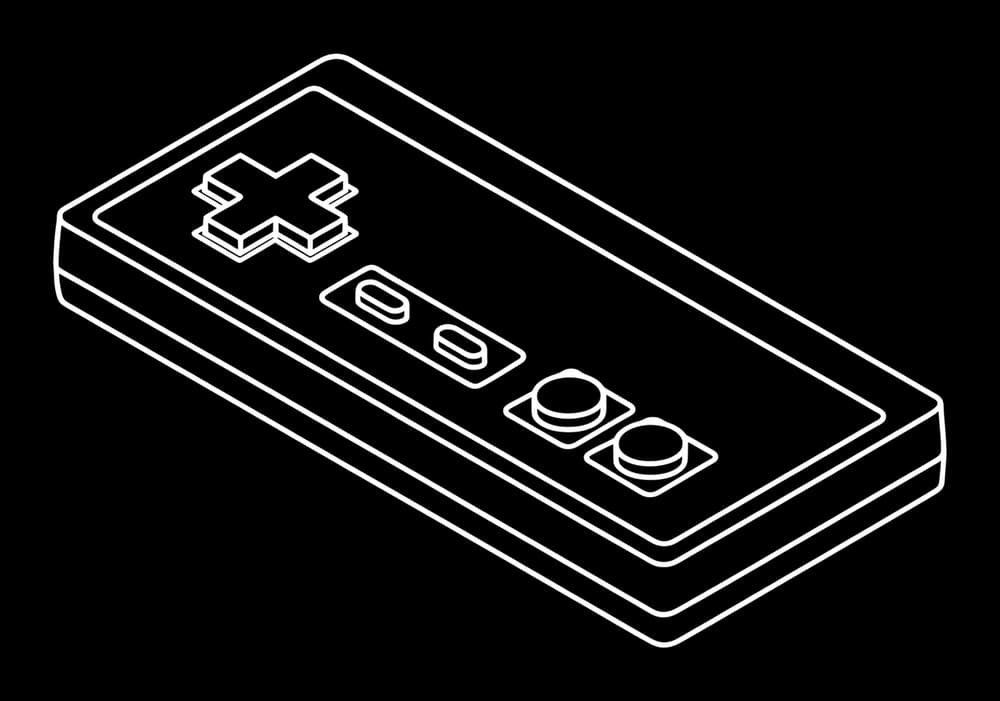
NES, 1983
Before the standard
 Odyssey, 1972
 Atari, 1977
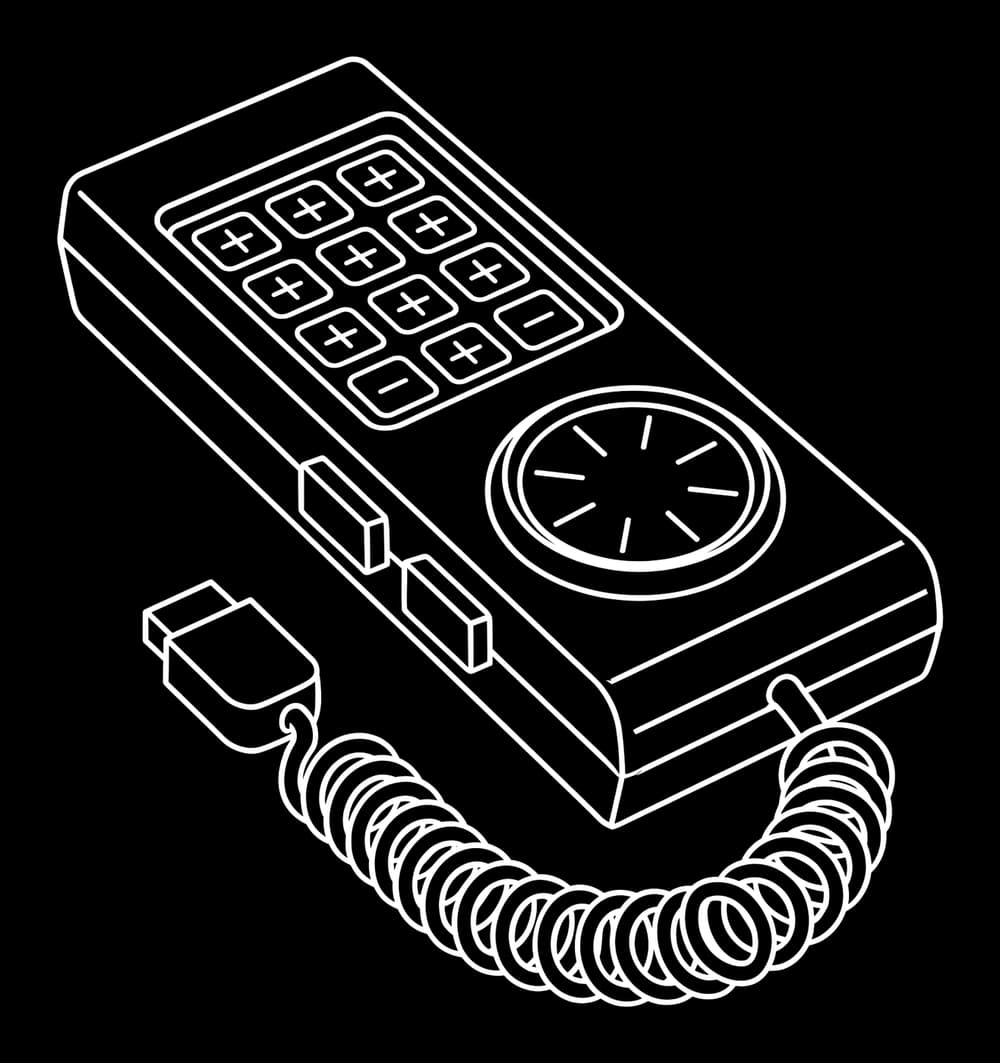 Intellivision, 1979
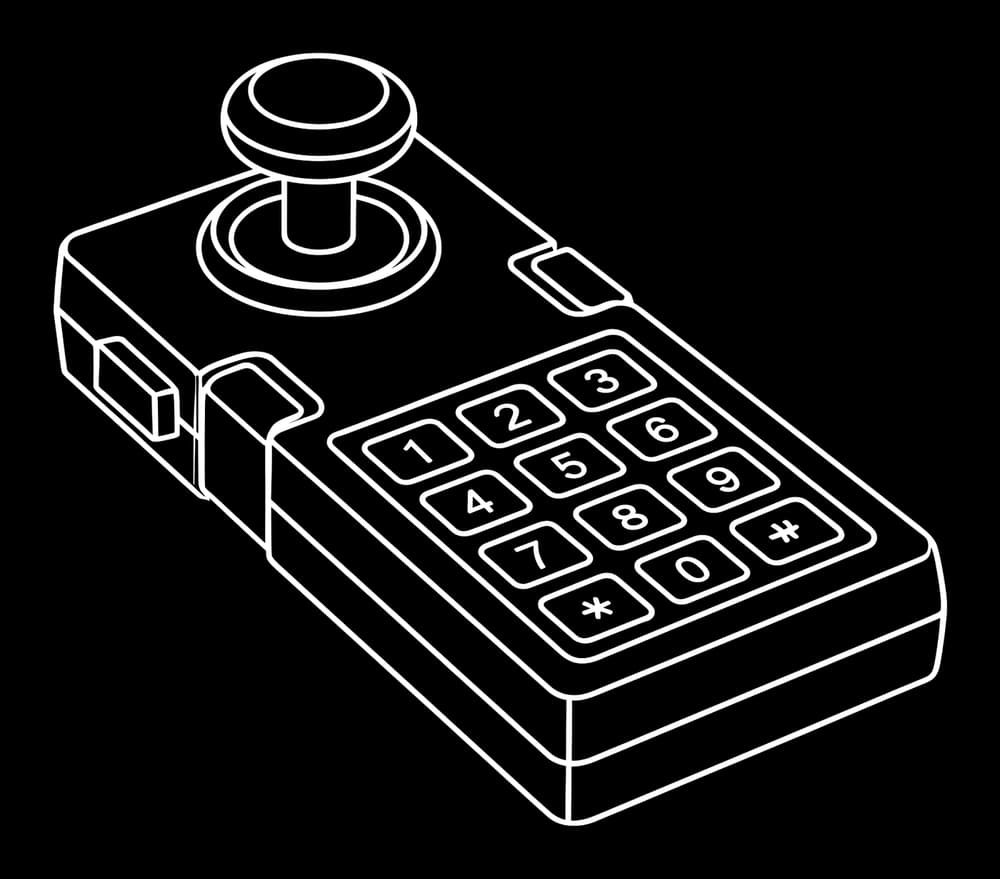 ColecoVision, 1982
 Atari 5200, 1982
From 8-bit to 16-bit
1983 and 1988
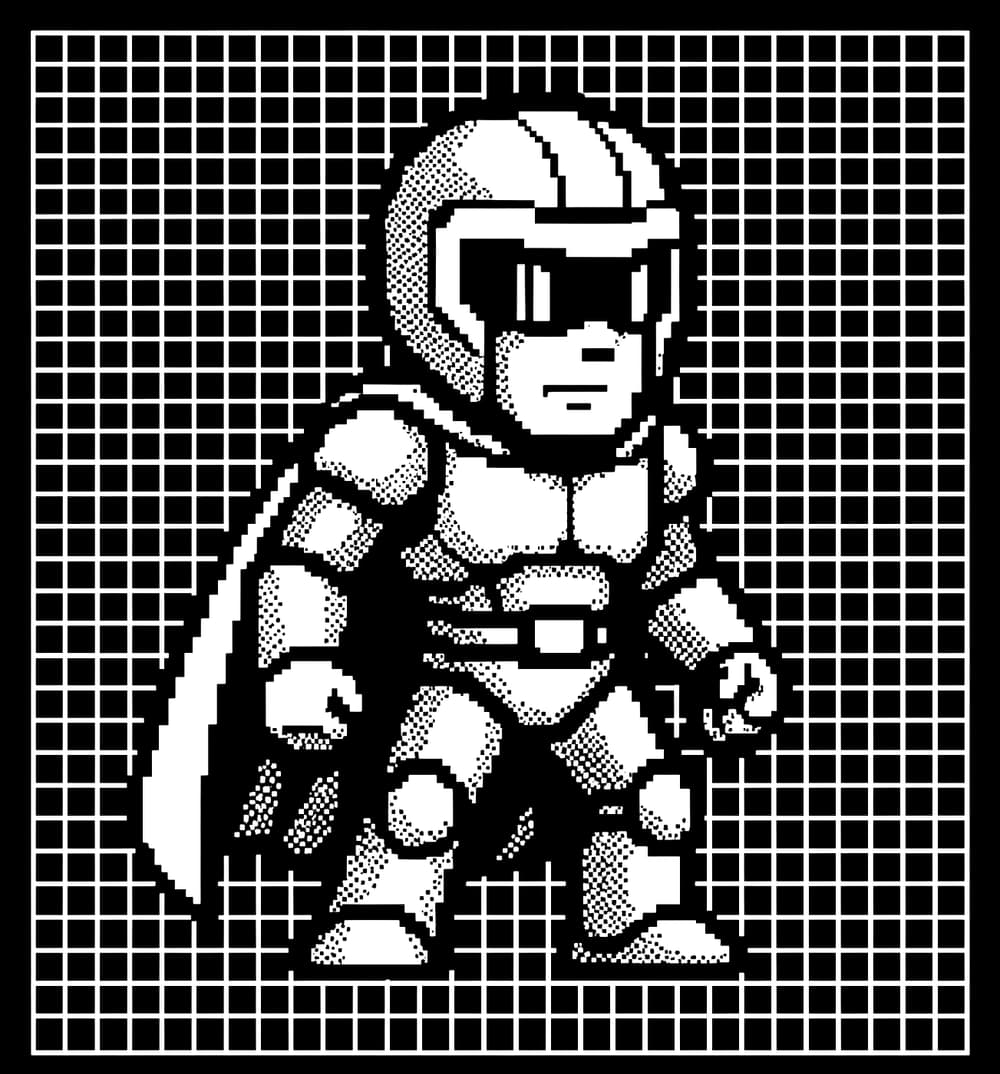
8-bit
NES, 1983

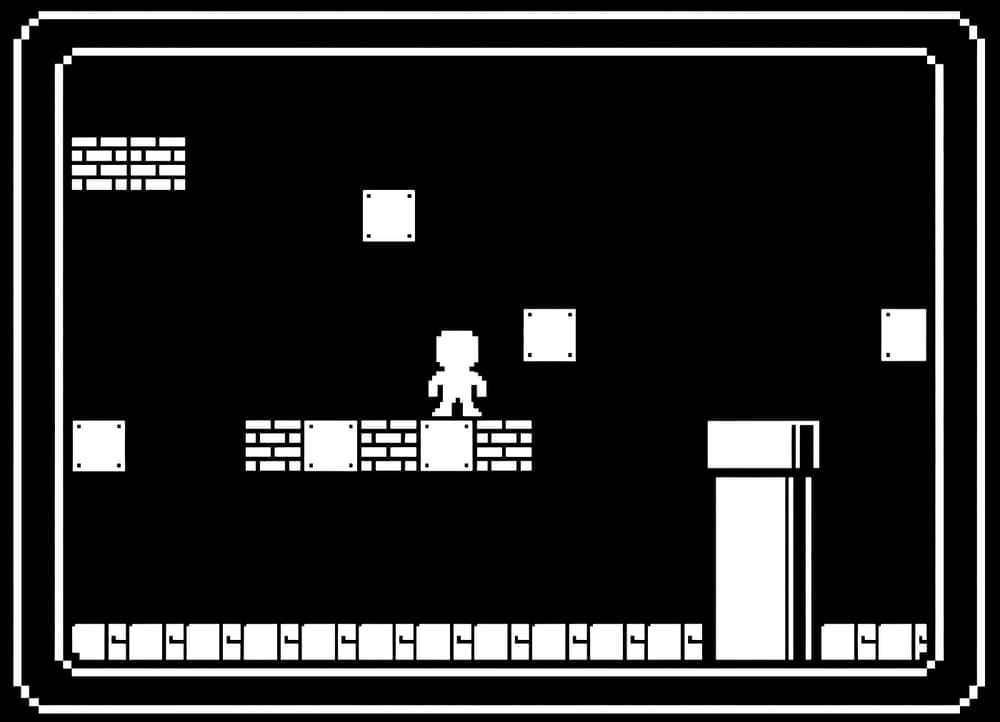

- 256 by 240 pixels
- Up to 25 colors on screen
- Large pixels
16-bit
Sega Mega Drive, 1988

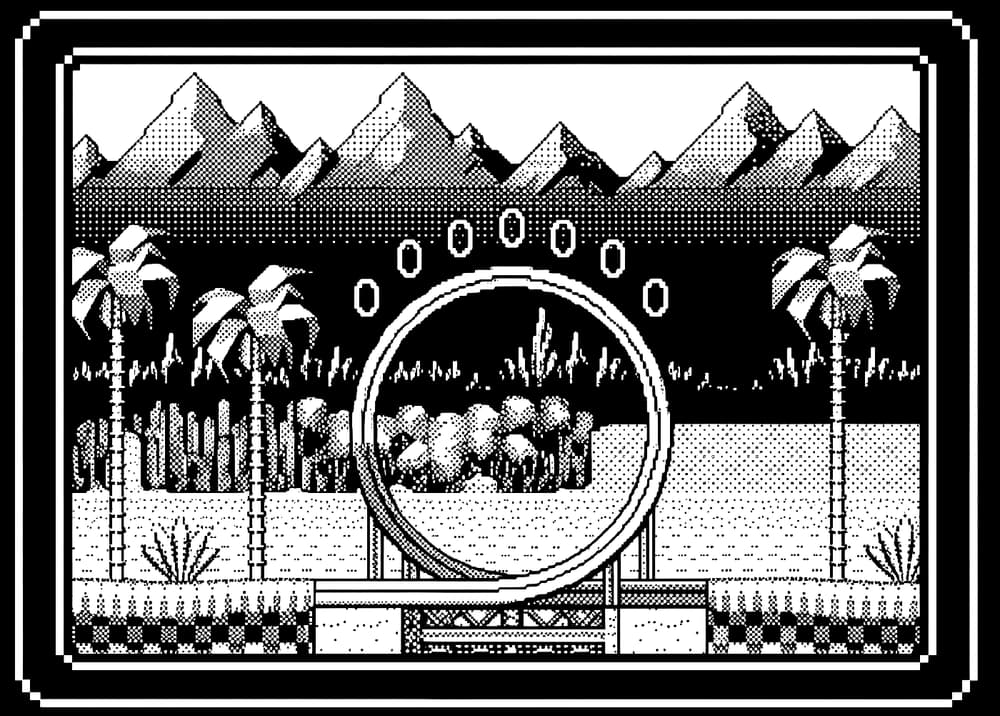
- 320 by 224 pixels
- 61 colors on screen out of 512
- Parallax, background layers
Collections
Eras in the encyclopedia
The evolution of console games
1990s
In the 1990s, mastering 3D graphics and moving from cartridges to discs shaped a new type of video game, whose main trait was a cinematic quality.
3D made it possible to direct camera angles, lighting and editing, and the capacity of discs made room for video cutscenes and studio voice acting. This technological revolution produced a whole range of new genres, among which survival horror and stealth action took a special place.
 CD
CD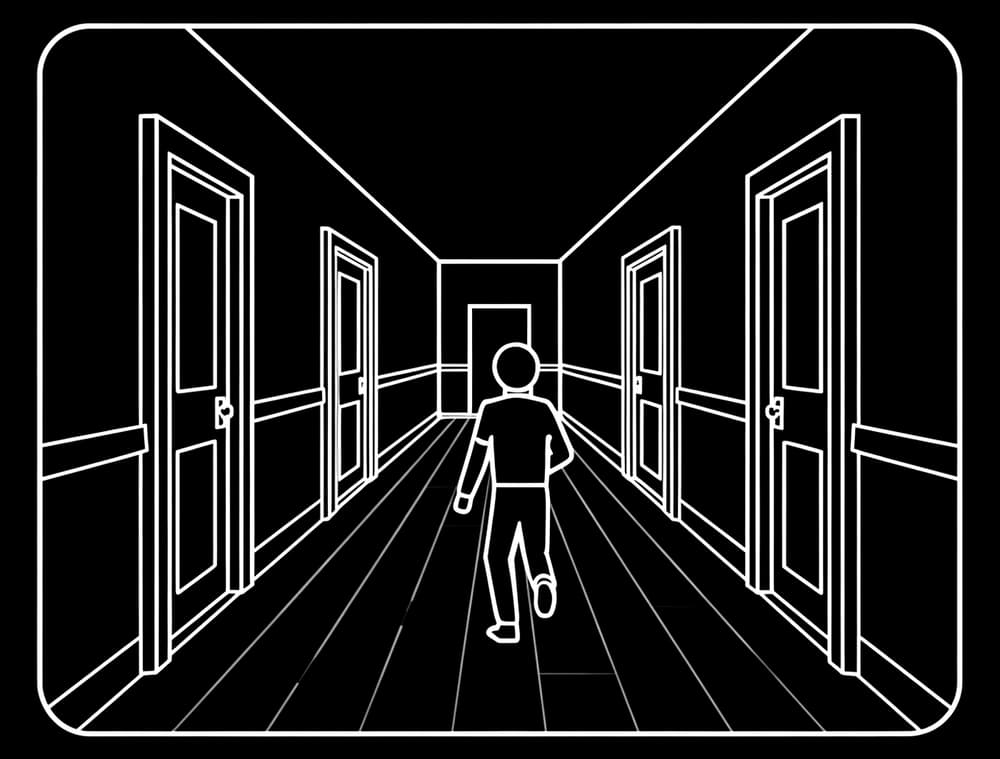 Survival horrorFixed cameraLighting and angle
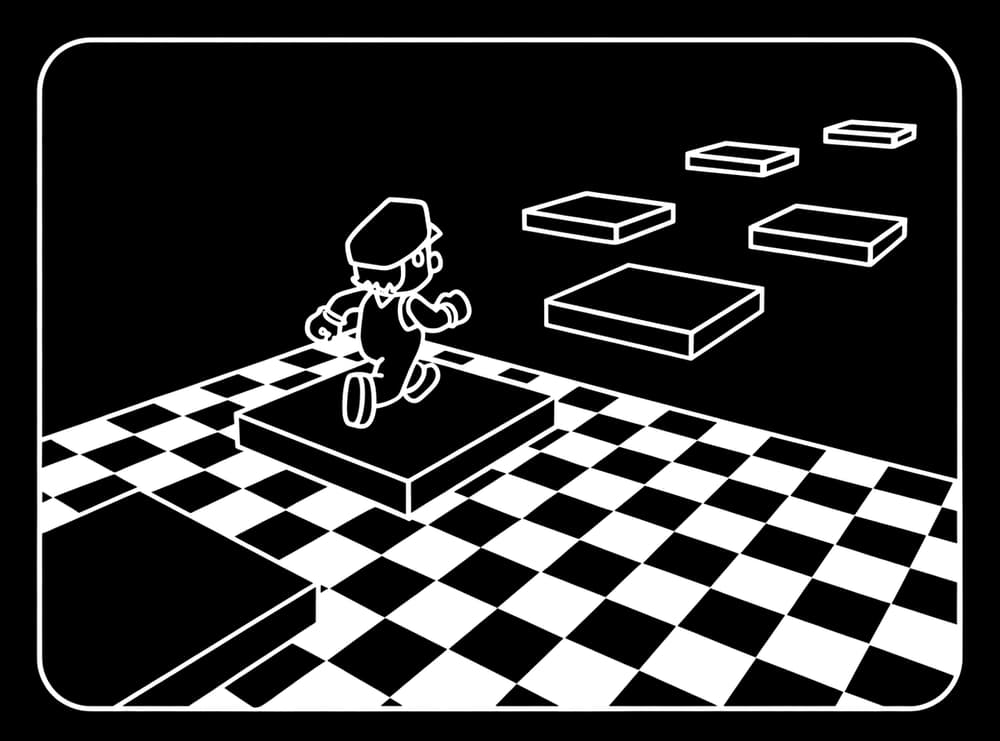 3D platformerCamera behind the characterLevel depth
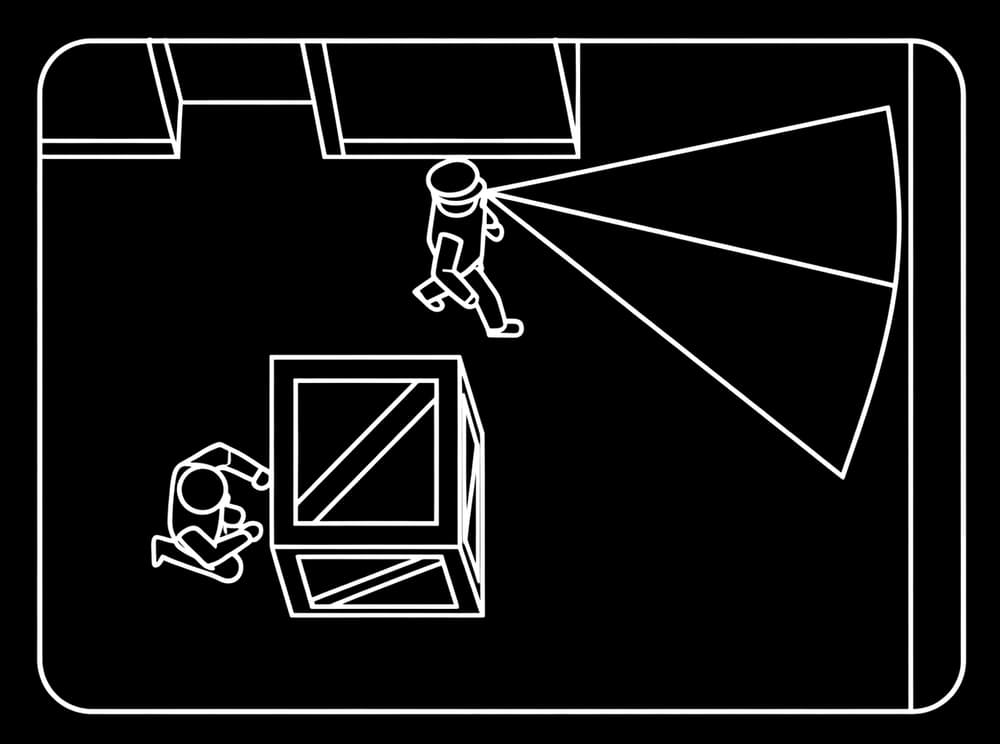 Stealth actionTop-down viewVision cone
- New angles, lighting and editing: a cinematic quality
PlayStation: a new game system
1994
3DGraphics in three dimensions