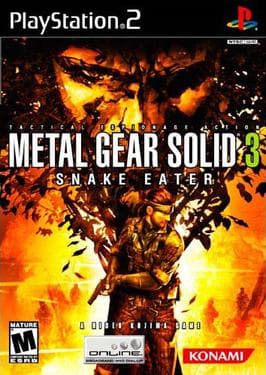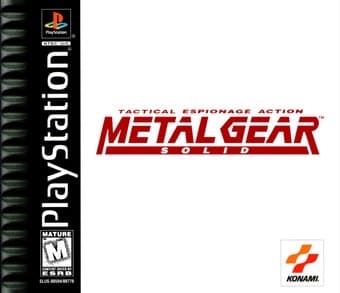
Metal Gear Solid
| Year | 1998 |
|---|---|
| Release platform | PlayStation |
| Genres | adventure |
| Developer | Konami |
| Country | Japan |
| Era | Disc and 3D, 1995 to 2000 |
| Importance |
Why it matters
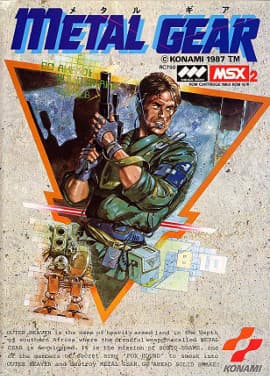
Konami brought to the console a scheme that Hideo Kojima had been working out back on the MSX2: the winner is the one the guards didn't see. The story continues the two installments released on the MSX2, and three-dimensional space made the scheme itself visible. The radar shows each enemy's cone of vision, and the game comes down to reading those cones, the cover and your own steps. The alert states are arranged in a chain: detection, search, return to patrol, and you have to wait for the system to cool down.
Conversations go over the codec, a narrow strip with portraits of the speakers, and the staged scenes are shot like film, with editing and actors' voices. Certain episodes address the console itself: an enemy who reads the memory card and names saves from other games, then demands that the controller be moved to the neighboring port. The trick relies on the workings of specific hardware and can't be carried anywhere else without loss.
Watch it played
Facts
- The radar shows each guard's cone of vision.
- An alert passes through several states and gradually dies down if the player stays out of sight.
- Conversations go over the codec, a narrow strip with portraits of the speakers.
- The Psycho Mantis fight reads the memory card and demands that the controller be moved to the second port.
- The story continues the two MSX2 installments released before the series moved to PlayStation.