1990s to 2000s
Computers
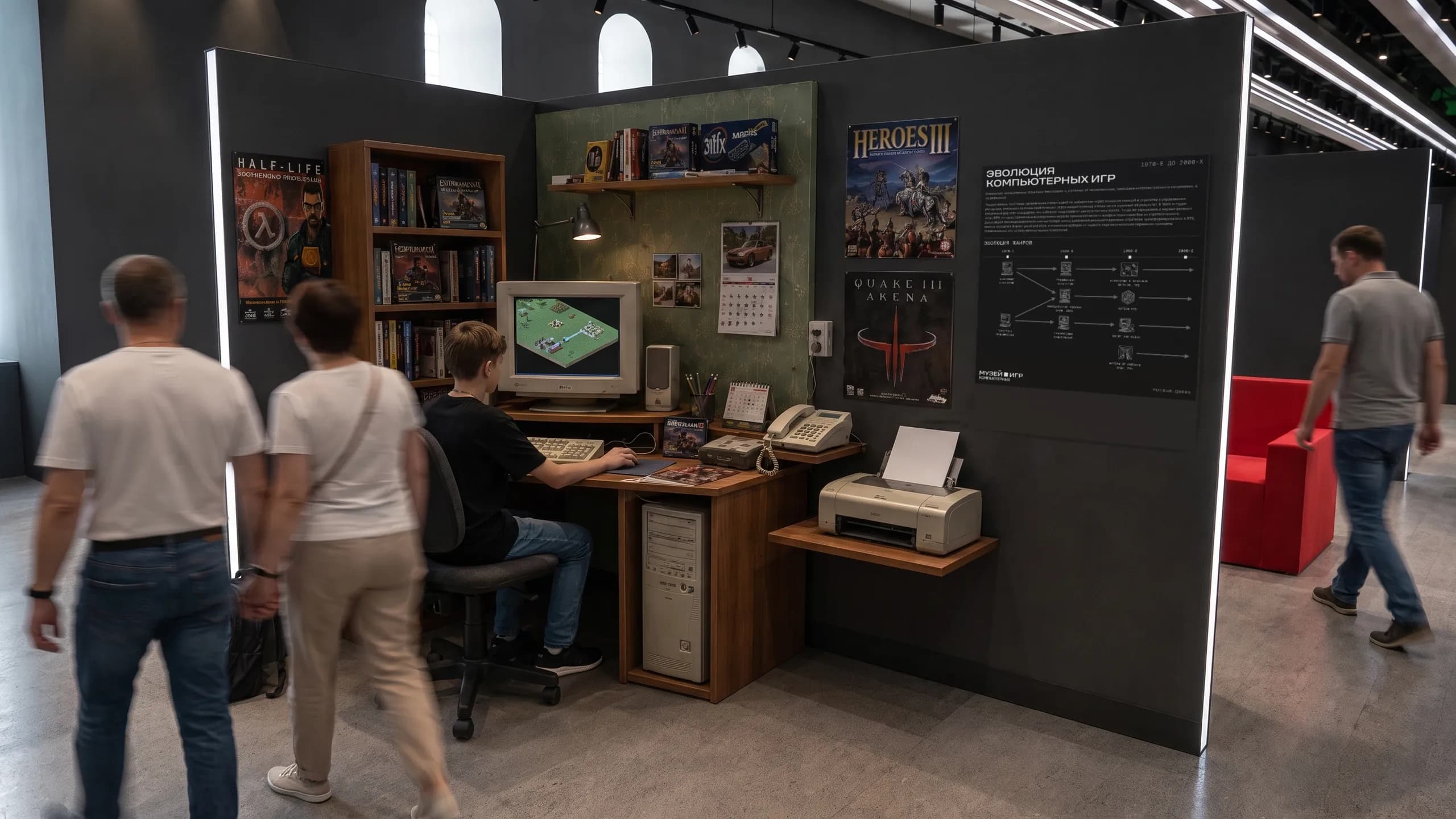
The home computer took the game from the arcade hall to the desk. The machines work, sit down at any of them.
About the era
The late 1970s: Apple II, ZX Spectrum, Commodore 64. The computer took its place on the desk and cost about as much as a household appliance. Games came out on cassettes and floppy disks, often written by lone programmers at home.
In the 1990s the IBM PC became the standard. DOS and early Windows produced the adventure games, strategy games and shooters their genres still live by. Network play began then too: modems, LAN, computer clubs with a queue for the evening.
The zone has eight-bit computers, PCs from the DOS and Windows years and modern stations. All of them work, each with a monitor of its own time. Cassettes, floppy disks and game boxes sit alongside.
You can play at any of them: text adventures and platformers on the eight-bit machines, adventure games and strategy on 1990s PCs, indie games on the new stations.
The evolution of computer games
1970s to 2000s
At first, computer games were text-based and, unlike television games, demanded mental effort rather than reflexes.
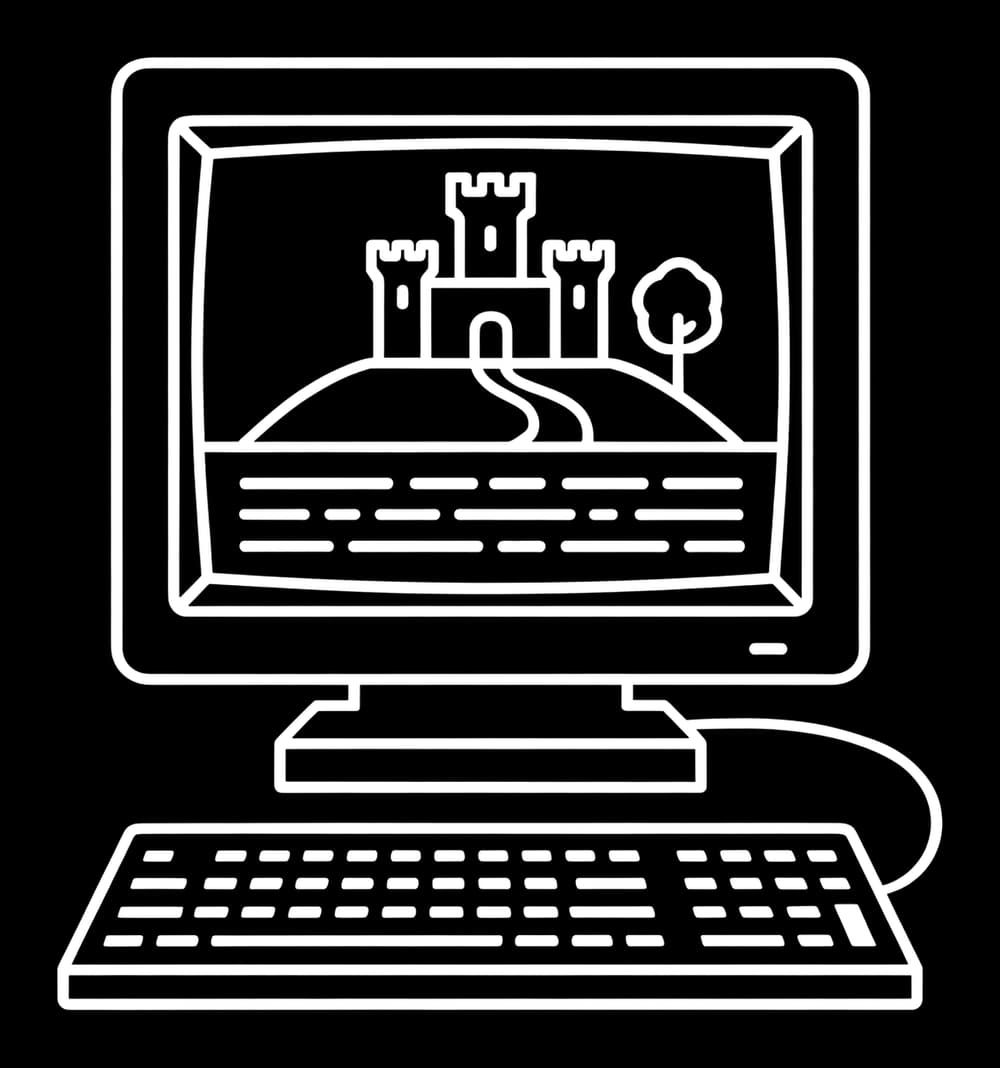
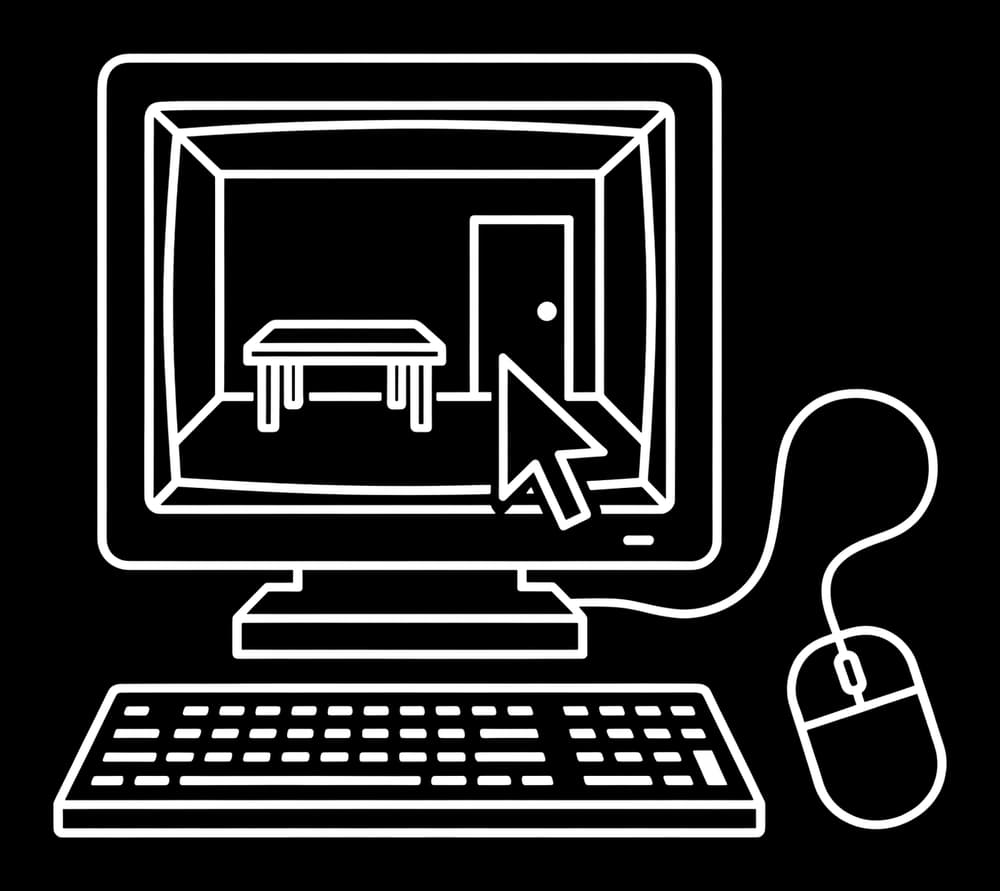
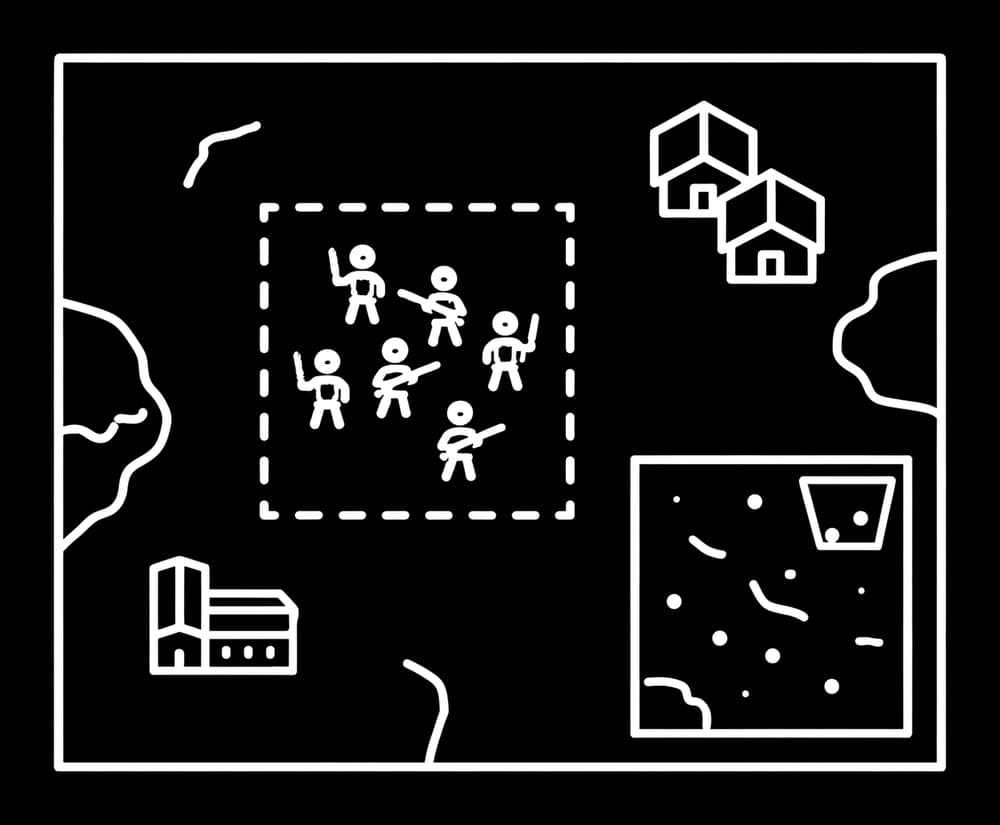
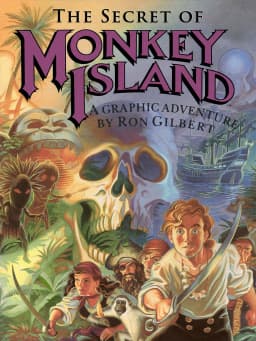
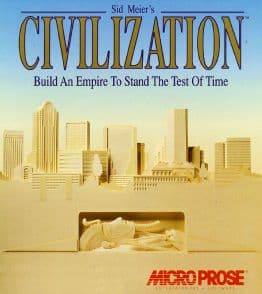
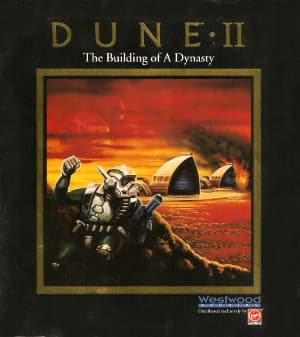
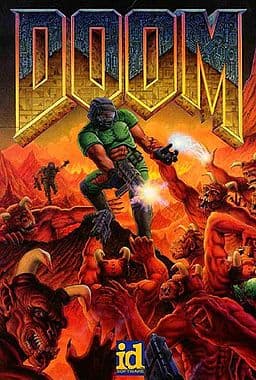
The first genres were text adventures, where you found your way through mazes from descriptions of locations, and strategy games about managing resources. Both relied on a turn-based principle: the player entered a command and only then assessed its result. By the 1980s visuals had become the standard, which freed the industry from the rule of pure text. The first role-playing games, RPGs, appeared at the same time, combining world exploration from the adventure genre with turn-based combat from strategy. Further evolution filled the computer school with real-time dynamics: strategy games turned into RTS, adventure games moved to the point and click format, and the arrival of first-person shooters finally transferred the principles of television games onto computer technology.
The evolution of genres
 Text adventures
 Graphic adventures
 Point and click
 Turn-based strategy
 Real-time strategy, RTS
 Adventure
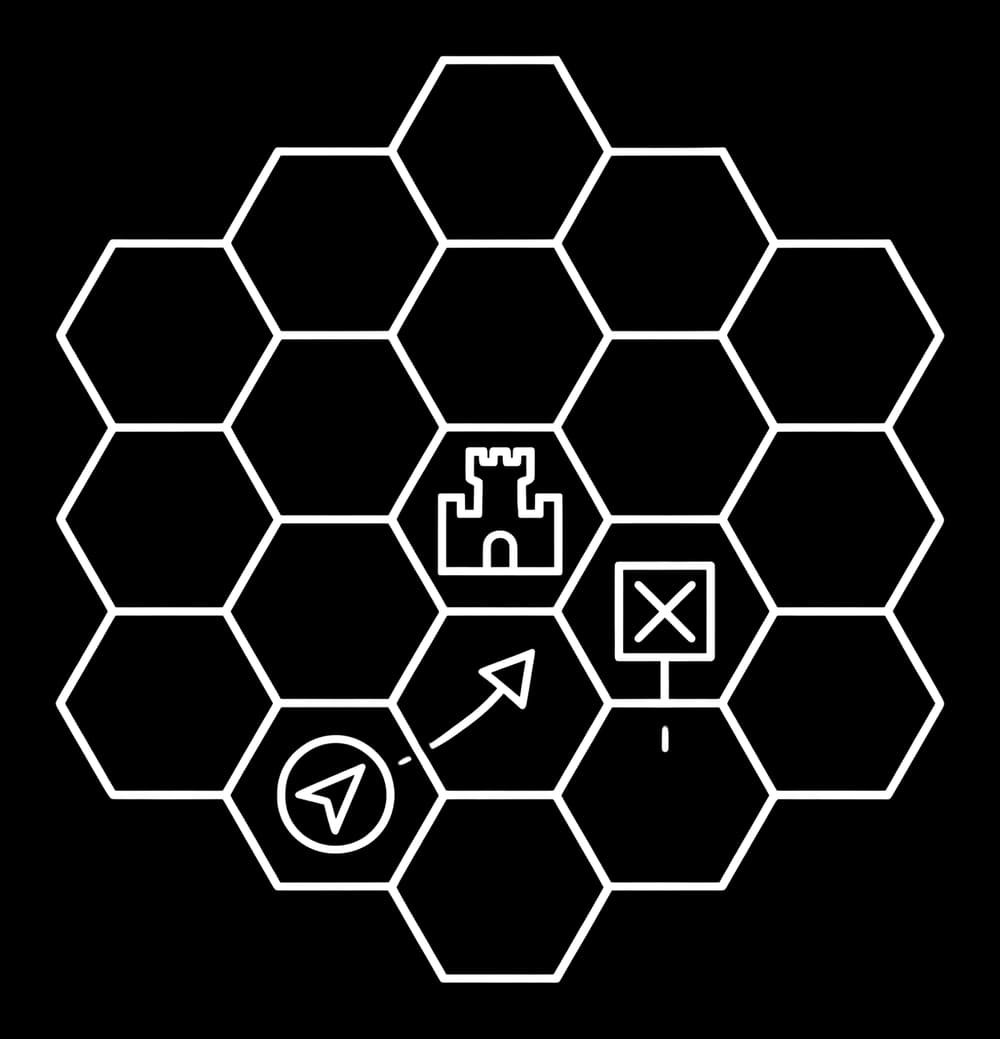 Strategy
 RPG
RPG
 Turn-based play
 Real time
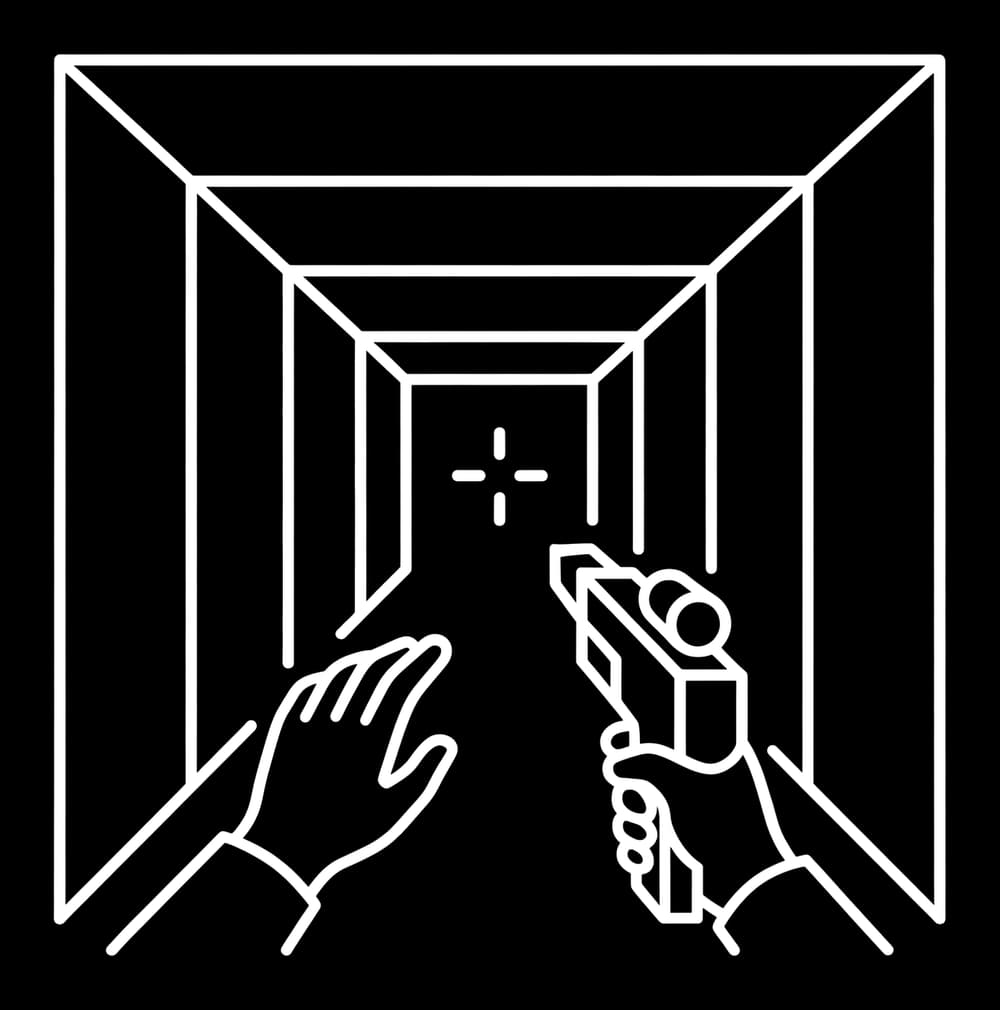 FPS
FPS
Games of the era
The whole encyclopedia
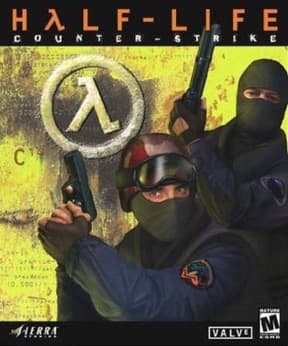

Network games
1990s to 2010s
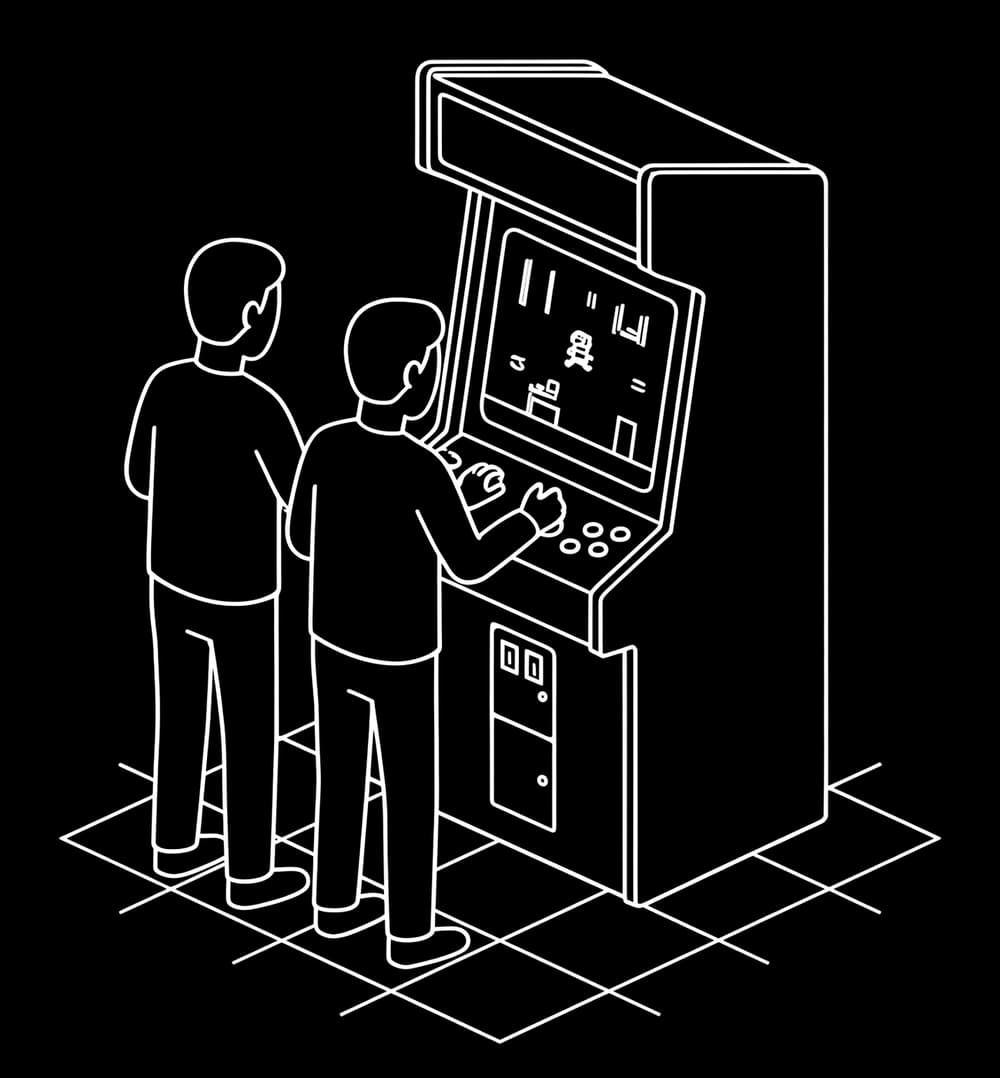
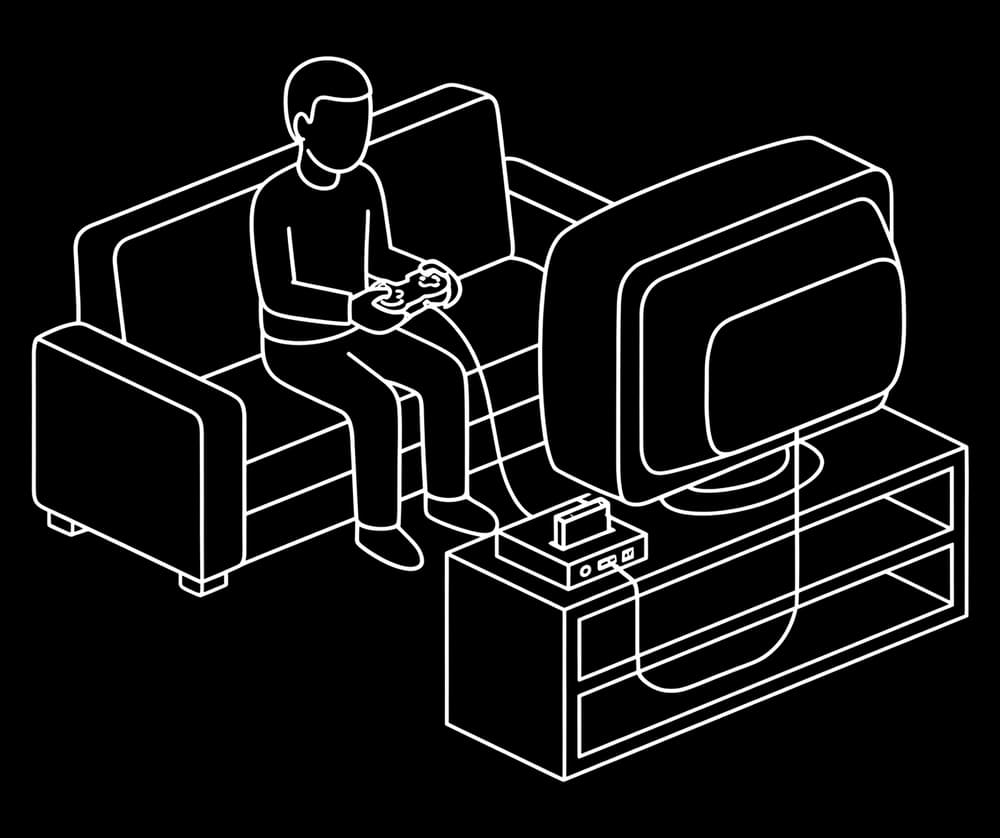
The video game industry was born in public spaces as a culture of arcade halls, where people came not only to play but also to socialize, and games for two dominated the market. Moving game culture into the home set off a process of individualization: the focus shifted to a solitary, purely personal experience of play.
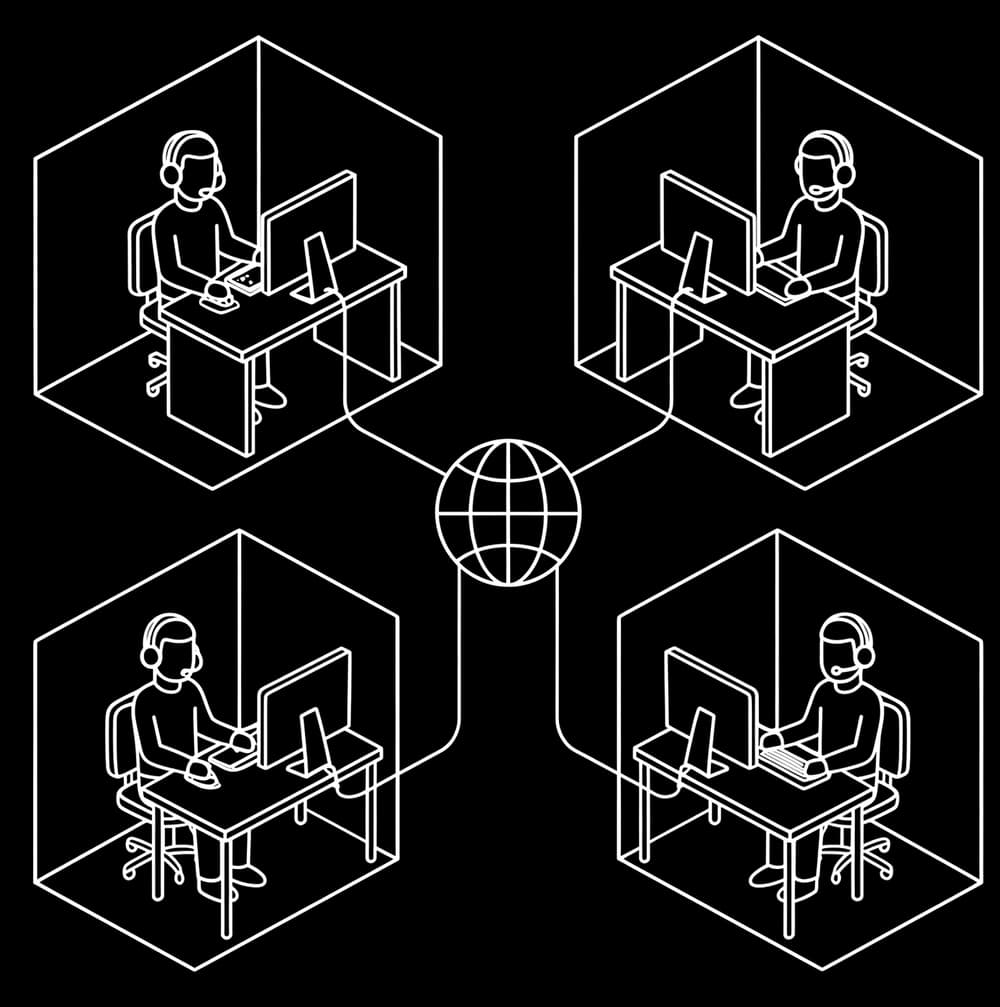
As a counterweight to this solitude, a new, networked sociality grew right within the walls of the home. Without leaving their rooms, players could once again talk and play together, now on a global scale. Naturally, this transformed the games themselves: they became endless, lost the familiar pause button and made players live by the rules of in-game time.
- Arcade hallTogether, at the machine
- HomeAlone, at the TV
- NetworkTogether, over the network
Collections
Eras in the encyclopedia
Play in the arcade
What the network changed in games
 Playing alone
 Pause
Pause Finite session

 Playing together online
 The world lives on
 Persistent world