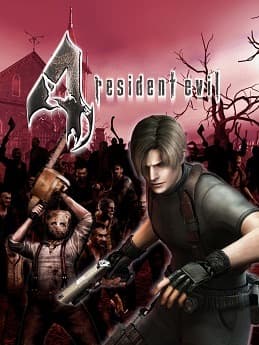
Resident Evil 4
| Year | 2005 |
|---|---|
| Release platform | GameCube |
| Genres | horror, shooter |
| Developer | Capcom |
| Country | Japan |
| Era | The 2000s, 2000 to 2009 |
| Importance |
Why it matters
The fourth installment moved the camera. Before, the series filmed rooms from fixed points and the hero walked through them with tank controls; here the camera sits right behind the shoulder, and the screen shows the same sector the character sees. Aiming is manual: the laser dot is placed on the chosen spot, and to fire you have to stop. You can't move and shoot at the same time, so every shot is a deal in which you pay with mobility.
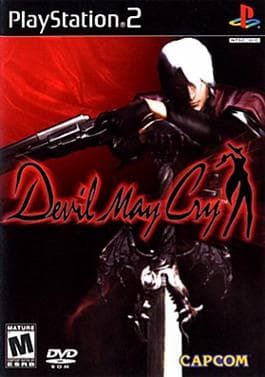
You aim at body parts. A hit to the leg knocks an enemy off its stride, a hit to the arm makes it drop its weapon, and a staggered enemy is finished off with a melee strike, saving a bullet. Enemies run, surround you, climb through windows and grab axes, so you have to keep your distance constantly. Ammunition and herbs are packed into a case with a grid, where items take up cells and won't fit until you rearrange them, and the supply becomes a task of its own. The concept was reworked several times, and one of the discarded versions went its own way and became Devil May Cry. The game came out on the GameCube and was later ported to other systems, and the next generation of third-person action games filmed combat from over the shoulder.
Watch it played
Facts
- The camera is fixed behind the hero's shoulder; the fixed angles of the earlier installments are gone.
- Aiming is done manually with a laser dot, and the character stands still while firing.
- Hits to different body parts give different results and open up a melee strike.
- Items are arranged in a case with a grid, and each item takes up its own cells.
- One of the discarded versions of the game grew into a separate project, Devil May Cry.